
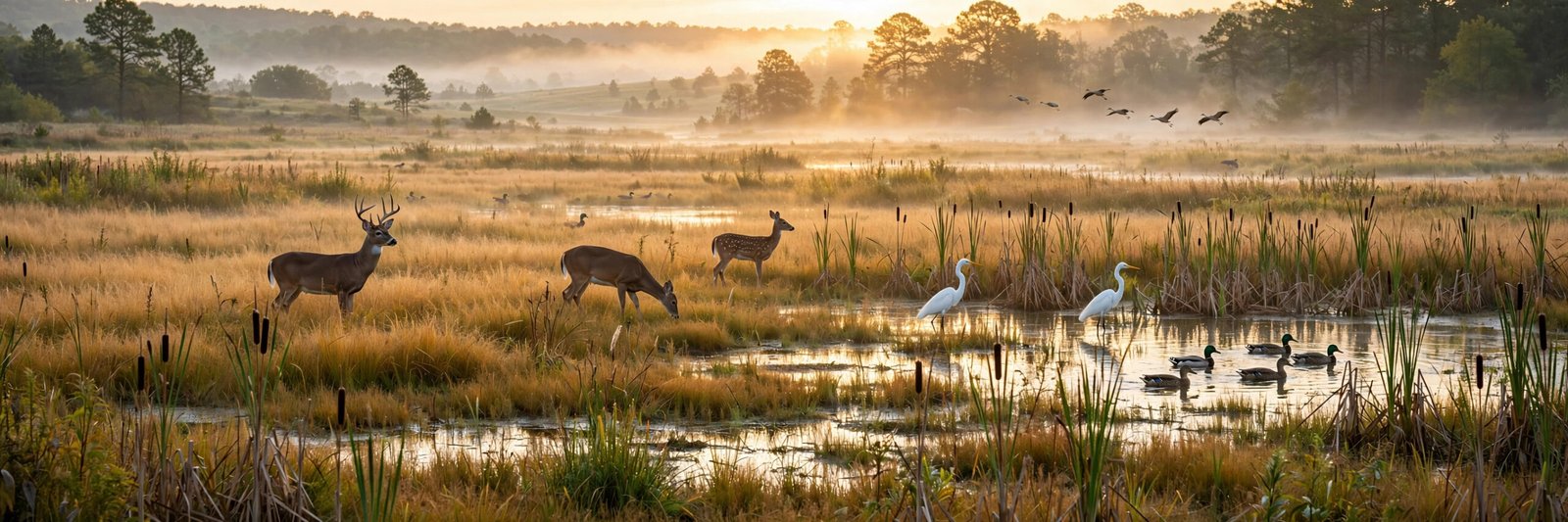
There are places in America where the wild still runs the show: where cranes fill the morning sky, alligators slide silently through blackwater, and bison graze across open prairie as they have for centuries. USA wildlife sanctuaries protect these extraordinary places, offering refuge to animals and unforgettable experiences to the people who visit them. Whether you are a lifelong birder or a family looking for your next outdoor adventure, these sanctuaries are among the most rewarding destinations in the country.
In this guide, we explore what USA wildlife sanctuaries are, how they protect endangered species, and which ones deserve a place on your travel list. From coastal marshes to desert oases, these protected lands show a side of America that is wilder, quieter, and more beautiful than most travelers ever see.
What Are USA Wildlife Sanctuaries?
USA wildlife sanctuaries are protected areas set aside primarily for the benefit of wildlife rather than for recreation or development. The term covers a wide range of places, including national wildlife refuges managed by the U.S. Fish and Wildlife Service, state wildlife areas, and private sanctuaries run by conservation organizations. What they share is a simple mission: give wild animals safe habitat, food, and space to breed and raise their young.
The national wildlife refuge system is the backbone of this network. It began in 1903, when President Theodore Roosevelt established Pelican Island in Florida as the first national wildlife refuge, protecting a nesting island for pelicans and other birds. From that small beginning, the system has grown into a nationwide network of refuges covering millions of acres in every state, from the Arctic tundra of Alaska to the tropical waters of the Caribbean.
Visiting USA wildlife sanctuaries is different from visiting a zoo or a theme park. Animals are wild and free, so sightings are never guaranteed, and that unpredictability is part of the magic. A morning at a sanctuary might bring a bald eagle overhead, a herd of elk in the mist, or nothing more than birdsong and still water. Either way, you leave with a deeper appreciation for the wild America that these places protect.
USA Wildlife Sanctuaries in the Southeast
The Southeast is home to some of the most beloved USA wildlife sanctuaries in the country, thanks to its warm climate, vast wetlands, and position along major bird migration routes. The Okefenokee National Wildlife Refuge, straddling the Georgia-Florida border, protects one of the largest intact freshwater wetland systems in the United States. Its dark, tea-colored waters are home to alligators, sandhill cranes, and hundreds of bird species, and visitors can explore by boat, boardwalk, or observation tower.
Further north, the Chincoteague National Wildlife Refuge in Virginia is famous for its wild ponies, which roam the barrier island alongside migratory birds and white-tailed deer. The refuge is one of the most visited in the system, and it is easy to see why: the combination of beach, marsh, and maritime forest is spectacular. For bird lovers, the refuge is also a prime stopover on the Atlantic Flyway, the migration route followed by millions of birds each year.
Florida’s Merritt Island National Wildlife Refuge, near the Kennedy Space Center, shows how wildlife and human activity can coexist. The refuge protects coastal dunes, marshes, and lagoons that shelter manatees, roseate spoonbills, and sea turtles, all within sight of launch pads. It is a reminder that USA wildlife sanctuaries are not always remote wilderness; sometimes they are right next door to modern America.
USA Wildlife Sanctuaries in the West
Head west, and USA wildlife sanctuaries take on a different character: bigger skies, drier landscapes, and wildlife adapted to desert, mountain, and prairie. Bosque del Apache National Wildlife Refuge in New Mexico is one of the most famous birding destinations in the world. Each winter, thousands of sandhill cranes and snow geese gather in its wetlands, filling the dawn sky with sound and motion. Photographers travel from around the globe to witness the morning fly-out, when the birds leave their roosts in vast, noisy flocks.
In California, the Sacramento National Wildlife Refuge Complex protects wetlands in the Central Valley that are critical for migratory waterfowl along the Pacific Flyway. In Oregon, the Malheur National Wildlife Refuge shelters high-desert wetlands that draw an astonishing variety of birds. And in the far north, the Arctic National Wildlife Refuge in Alaska protects one of the wildest landscapes on Earth, a vast expanse of tundra and mountains that is home to caribou, polar bears, and grizzly bears.
The West also offers sanctuaries for larger mammals. National wildlife refuges and nearby public lands protect pronghorn, bighorn sheep, and elk, while private sanctuaries in states like Colorado and Montana rescue and rehabilitate animals that cannot return to the wild. If you love wide-open landscapes, pair a sanctuary visit with a trip to one of America’s great parks; our guide to Yellowstone National Park facts is a perfect companion for planning a western wildlife adventure.
USA Wildlife Sanctuaries for Birds and Migration
Birds are the stars of many USA wildlife sanctuaries, and for good reason. The United States sits beneath four major migratory flyways, the aerial highways that birds follow between breeding and wintering grounds. Sanctuaries along these routes provide the food and rest stops that make migration possible, and visiting during spring or fall migration can be a breathtaking experience.
Some of the best birding sanctuaries include the J.N. “Ding” Darling National Wildlife Refuge in Florida, a haven for wading birds, pelicans, and roseate spoonbills, and the Edwin B. Forsythe National Wildlife Refuge in New Jersey, where the Atlantic Flyway meets the Jersey shore. In Texas, the Laguna Atascosa National Wildlife Refuge protects coastal habitat for the endangered aplomado falcon and the ocelot, one of the rarest wild cats in the country.
If you are new to birding, a sanctuary is the perfect place to start. Many refuges offer visitor centers, guided walks, and observation platforms, and staff can point you toward the best viewing spots. Bring binoculars, arrive early, and be patient. For more ideas on where to spot iconic American birds, read our guide on where to see bald eagles in the USA, which pairs beautifully with a sanctuary visit.
How USA Wildlife Sanctuaries Protect Endangered Species
Beyond offering beautiful scenery, USA wildlife sanctuaries do critical conservation work. Many refuges were established specifically to protect species at risk, and they manage habitat with that goal in mind: restoring wetlands, controlling invasive plants, protecting nesting sites, and monitoring populations year after year. This hands-on management is what turns a piece of land into a true refuge.
Success stories are everywhere. The bald eagle, once endangered, recovered in large part because protected habitat gave it safe places to nest and hunt. Whooping cranes, among the rarest birds in North America, benefit from refuges along their migration route. Sea turtles, manatees, and countless fish and plant species also depend on sanctuary lands and waters. These recoveries did not happen by accident; they happened because people chose to set land aside and manage it for wildlife.
Private sanctuaries play a role too. Organizations across the country rescue injured and orphaned animals, rehabilitate them, and release them when possible, while providing lifelong care for animals that cannot survive in the wild. These facilities often welcome visitors and offer educational programs, making them a wonderful option for families who want to learn about conservation up close.
Planning a Visit to USA Wildlife Sanctuaries
Planning a trip to USA wildlife sanctuaries is easy, and a little preparation goes a long way. Start by checking the refuge’s website for hours, entrance fees, and seasonal highlights, since wildlife viewing changes dramatically with the seasons. Spring and fall migrations are peak times for birding, summer is best for wetlands and wildflowers, and winter brings its own rewards, from snowy owls in the north to cranes in the Southwest.
Pack for the outdoors: comfortable walking shoes, layers for changing weather, sunscreen, insect repellent, water, and binoculars. Stay on marked trails and boardwalks, keep a respectful distance from wildlife, and never feed wild animals. The best wildlife encounters happen when animals do not notice you, so move quietly and give them space. Early mornings and late afternoons are usually the most active times for animals and the most beautiful times for photography.
Consider building a longer trip around sanctuary visits. Many refuges sit near national parks, scenic byways, and charming small towns, so you can combine wildlife watching with hiking, kayaking, and local dining. If you love autumn travel, our guide to the best fall foliage destinations in the USA will help you pair a sanctuary trip with peak color season. And if hidden coastal escapes appeal to you, our secret beaches in the USA guide is full of quiet shores near protected wildlife areas.
How to Support USA Wildlife Sanctuaries
You do not have to be a biologist to help USA wildlife sanctuaries thrive. Visiting responsibly is a great start, since visitor fees and local spending support refuge programs and nearby communities. You can also volunteer at a refuge, join a friends group, or donate to conservation organizations that manage private sanctuaries. Even simple habits, like keeping bird feeders clean, reducing plastic use, and respecting wildlife closures, make a real difference.
Teaching children about sanctuaries is one of the most powerful things you can do. A child’s first sight of a wild eagle, a trumpeter swan, or a sea turtle often becomes a lifelong memory and the seed of a conservation ethic. Many refuges offer junior ranger programs, family events, and educational trails designed for young explorers, so bring the kids and let the wild do the teaching.
Conclusion: Wild America Is Waiting
USA wildlife sanctuaries are among America’s greatest treasures: living landscapes where wild creatures still follow ancient rhythms, and where visitors can step out of the noise of everyday life into something older and quieter. Whether you come for the birds, the bison, the alligators, or simply the peace of a wetland at dawn, you will leave with a deeper love for the natural heritage of this country.
Pick a sanctuary near you, plan your visit, and share your experience with us in the comments. Which USA wildlife sanctuaries are on your bucket list, and what did you see there? Explore more of wild America here on Beauty of USA, and keep discovering the places where nature still thrives.