
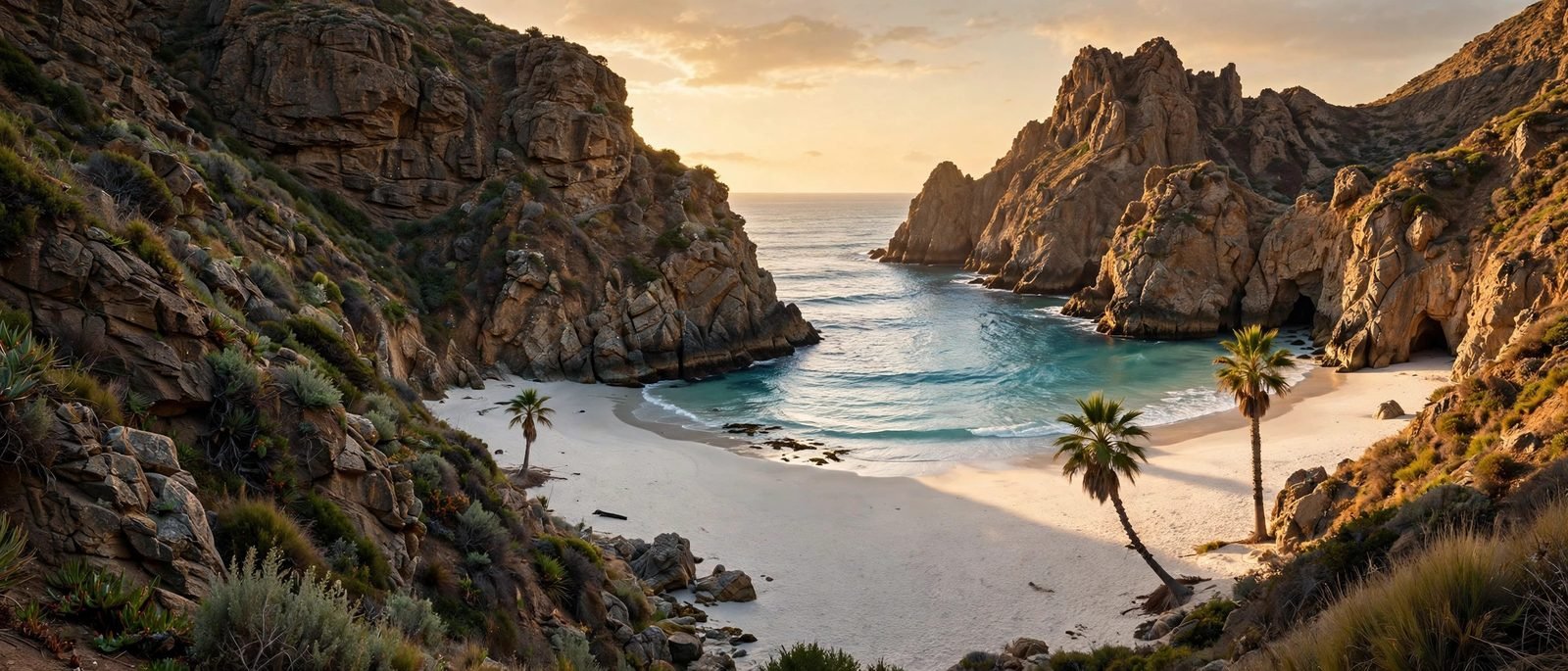
America is famous for its crowded boardwalks and packed resort beaches, but some of the best coastal escapes are the ones most people never find. The hidden beaches in the USA are quiet coves, unmarked trail-end shores, and remote islands where the loudest sound is the waves. If you have ever dreamed of having a stretch of sand almost to yourself, this guide is your starting point.
These secluded beaches are not just about solitude. They often offer clearer water, healthier tide pools, better wildlife watching, and a stronger sense of adventure than busy tourist beaches. Some require a short hike, a kayak paddle, or a boat ride. Others are simply tucked behind a small town or down a forest road that most visitors drive right past. With a little research and preparation, you can trade crowded parking lots for driftwood, sea stars, and wide-open horizons.
In this guide, we share some of the most beautiful off-the-beaten-path beaches across the country, from California and Oregon to Florida, Hawaii, and the East Coast. We also cover how to find your own secret shores, what to pack, and how to visit responsibly so these fragile places stay beautiful. If you love coastal escapes, you may also enjoy our roundup of the best beaches in the USA, and for more off-the-map adventures, see our list of 12 hidden gems in the USA most Americans never visit.
Why Hidden Beaches in the USA Feel Like a Different World
Step onto a quiet beach and the whole pace of the day changes. There are no lines for parking, no rows of umbrellas, and no loudspeakers. Instead, you hear gulls, wind, and surf. You can walk the shoreline without dodging crowds, watch pelicans dive for fish, and find shells and stones that have not been picked over. For many travelers, that sense of space is the real luxury.
Secluded beaches also tend to feel wilder and more natural. Dunes grow undisturbed, tide pools fill with sea stars and anemones, and shorebirds nest in quiet stretches of sand. In places like the Pacific Northwest and the Gulf Coast, you may spot seals, dolphins, or nesting sea turtles depending on the season. These encounters are more likely when beaches are quiet, because wildlife is less disturbed by people and noise.
There is also the joy of discovery. Finding a beach at the end of a forest trail or around a rocky point feels like earning the view. That small sense of adventure makes the swim, the picnic, or the sunset feel more memorable. Of course, hidden does not mean lawless. Many secluded beaches are in national parks, state parks, or protected areas, so it is important to follow local rules, respect closures, and leave no trace.
California’s Secret Shores
Among the hidden beaches in the USA, California’s coastline offers some of the most dramatic options. Pfeiffer Beach in Big Sur is a favorite for photographers, known for its purple-tinted sand, sea stacks, and a rock arch that frames the sunset in winter months. The turnoff is unmarked and the road is narrow, which keeps crowds lower than at nearby viewpoints. Arrive early, drive carefully, and check current access conditions before you go.
Farther north, the Lost Coast in Humboldt and Mendocino counties feels genuinely remote. This stretch of coastline has no major highway, and many of its beaches are reached only by hiking or by rough roads. Black sand beaches, driftwood, and rugged cliffs define the landscape. Backpackers and day hikers should be prepared for changing tides, cool weather, and limited services. Always check tide tables and trail conditions, and let someone know your plans.
Southern California has quiet corners too. Some coves in Laguna Beach, La Jolla, and the Channel Islands require a short walk or a kayak trip, which filters out most visitors. The Channel Islands, often called the Galapagos of North America, offer sea caves, kelp forests, and clear water for snorkeling. Ferry reservations and park guidance are essential for these island trips. If you love islands, our guide to hidden islands in the USA has more ideas.
Florida Beyond the Crowds
Florida is known for busy beaches, but it also hides some wonderfully quiet shores. Dry Tortugas National Park, about 70 miles west of Key West, is one of the most remote national parks in the country. It is accessible only by boat or seaplane. The park surrounds a historic fort with turquoise water, coral reefs, and white sand beaches that feel untouched. Snorkeling, birdwatching, and camping are popular here, but services are limited, so visitors must bring supplies and plan ahead.
On the Gulf Coast, Caladesi Island State Park near Dunedin is reachable only by ferry or private boat. Its white sand beaches, mangrove trails, and kayak routes offer a peaceful alternative to nearby mainland beaches. Farther south, the Ten Thousand Islands and parts of the Everglades coastline provide remote, wild beaches that are best explored with a guide or careful planning. These areas are important habitat for manatees, dolphins, and shorebirds.
On the Atlantic side, quieter stretches can be found in state parks and national seashores, away from resort towns. Canaveral National Seashore, for example, offers miles of undeveloped barrier-island beach where sea turtles nest in summer. Visit early in the morning, bring shade and water, and respect wildlife closures. Florida’s quiet beaches remind visitors that the Sunshine State still has wild places, if you know where to look.
Oregon and the Pacific Northwest Coast
Oregon’s entire coastline is public, which means there are countless opportunities to find a quiet stretch of sand. The Samuel H. Boardman State Scenic Corridor in southern Oregon is a standout, with sea stacks, natural bridges, and hidden coves reached by short trails from the highway. The water is cold and the waves are powerful, so swimming is not always safe, but beachcombing, photography, and tide pooling are excellent.
Farther north, Cannon Beach and the surrounding coast are famous, but nearby lesser-known beaches, such as Short Sand Beach in Oswald West State Park, offer a more secluded experience. Short Sand Beach requires a short hike through old-growth forest, which keeps it quieter than roadside beaches. The trail is popular with surfers and hikers, yet it still feels like a hidden world when you emerge from the trees onto the sand.
Washington’s coast adds another layer of wild beauty. Rialto Beach and Second Beach in Olympic National Park are reached by forest trails and feature sea stacks, driftwood, and moody skies. These beaches are best visited with tide charts in hand, since some sections are impassable at high tide. The Olympic coast is part of a national park and tribal lands, so visitors should respect boundaries, follow park guidance, and prepare for cool, changeable weather.
The East Coast’s Quiet Corners
The East Coast has its share of secret shores too, especially in less-developed parks and islands. The Outer Banks of North Carolina include long stretches of national seashore where you can drive on designated beach routes and find space away from towns. Early mornings and weekdays are quietest. The area is also rich in history, from lighthouses to shipwrecks, and it offers excellent birdwatching.
Farther north, Maine’s coast is rocky, forested, and full of hidden coves. Acadia National Park has famous spots like Sand Beach, but quieter beaches and cobblestone shores can be found on the quieter western side of Mount Desert Island and on the Schoodic Peninsula. The water is cold even in summer, but the scenery, with pine forests meeting the sea, is unforgettable. Bring layers and sturdy shoes for exploring rocky shores.
In the mid-Atlantic, Assateague Island National Seashore, which spans Maryland and Virginia, offers wild beaches where horses roam free. The island’s beaches are wide and windswept, with dunes, marshes, and excellent birdwatching. Because the island is protected, it feels far quieter than nearby resort beaches. Check park alerts for camping, swimming, and wildlife guidance before your visit.
Hawaii’s Secluded Shores
Hawaii’s most famous beaches draw large crowds, but the islands still hold quiet corners for travelers willing to explore respectfully. Some of the best secluded shores are on the less-visited coasts of the Big Island, Maui, and Kauai. Papakolea Beach on the Big Island, known for its green-tinted sand, requires a hike across a coastal plain. The color comes from olivine crystals in the surrounding rock. The hike is hot and exposed, so bring plenty of water, sun protection, and sturdy shoes.
On Maui, the road to Hana passes many small beaches and waterfalls, but the quietest spots are often those that require a short walk or a respectful pause away from the main stops. On Kauai, the Na Pali Coast offers remote beaches that are accessible only by hiking, boat, or kayak, with permits required for many routes. These are serious adventures, not casual beach days, and visitors should be experienced, well-prepared, and aware of ocean conditions.
Visiting Hawaii’s beaches comes with a special responsibility. Many beaches are culturally significant, and some are on private land or in protected areas. Always respect posted signs, stay off private property, never touch coral or sea turtles, and learn about local customs before you go. The reward for respectful travel is a deeper, more meaningful experience of these extraordinary islands.
How to Find Hidden Beaches in the USA Without the Crowds
Finding your own secret beach starts with good research. Use state park websites, national park guides, and reputable hiking apps to look for beaches that require a hike, a boat, or a ferry. These extra steps naturally reduce crowds. Look for beaches that are not directly on a main highway, and check recent trip reports for access conditions. Local visitor centers are also excellent sources, since rangers can suggest quieter alternatives to famous spots.
Timing matters just as much as location. Weekdays, early mornings, and shoulder seasons are almost always quieter than summer weekends. A beach that is packed on a Saturday in July may be nearly empty on a Tuesday in September. Sunrise visits are especially rewarding, with soft light, calm water, and fewer people. If you can travel outside peak holidays, you will have a much better chance of finding solitude.
When you arrive, be prepared to adapt. If a beach is more crowded than expected, consider walking farther down the shore, exploring a nearby cove, or returning at a quieter time. Avoid sharing exact locations of fragile, unmarked spots on social media, since viral attention can quickly overwhelm them. Instead, share general guidance and encourage others to research responsibly. The best hidden beaches stay hidden because visitors protect them.
What to Pack and How to Visit Responsibly
Visiting hidden beaches in the USA rewards preparation. Because these places often lack restrooms, shops, and lifeguards, you need to bring everything you need and be ready to take everything out again. A good packing list includes water, snacks, sunscreen, a hat, a first-aid kit, a phone with offline maps, a trash bag, and a dry bag for electronics. If you plan to hike in, wear sturdy shoes and carry a tide chart for coastal trails.
Safety comes first. Check ocean conditions, rip current warnings, and tide tables before swimming. Never turn your back on the ocean, especially on the Pacific Coast where sneaker waves can occur. Swim only where it is safe and allowed, and never swim alone at a remote beach. Tell someone where you are going and when you expect to return. Cell service may be limited or absent at remote shores, so download maps and information in advance.
Responsible visiting is just as important as safety. Follow Leave No Trace principles: pack out all trash, stay on durable surfaces, keep a safe distance from wildlife, and do not remove shells, rocks, or plants from protected areas. Respect closures for nesting birds and sea turtles. If a beach is on tribal land or private property, follow posted rules or choose another spot. Small choices by many visitors add up to a big difference for these fragile places.
Your Next Quiet Beach Awaits
The hidden beaches in the USA remind us that America still has wild, quiet corners waiting to be discovered. Whether you hike to a black sand beach on the Lost Coast, ferry to a white sand island in Florida, or walk a forest trail to the Oregon shore, the reward is the same: space to breathe, waves to listen to, and a coastline that feels like your own for a little while.
Start with one beach from this list, plan carefully, and travel lightly. Bring a friend, pack out your trash, and leave the place better than you found it. Then keep exploring. The best beach trips are often the ones you almost missed. For more American travel inspiration, explore the rest of Beauty of USA and plan your next unforgettable escape.
[…] of every kind, keep exploring after the gardens. Our guides to the hidden caves in the USA and the hidden beaches in the USA are full of quiet corners most travelers never […]