
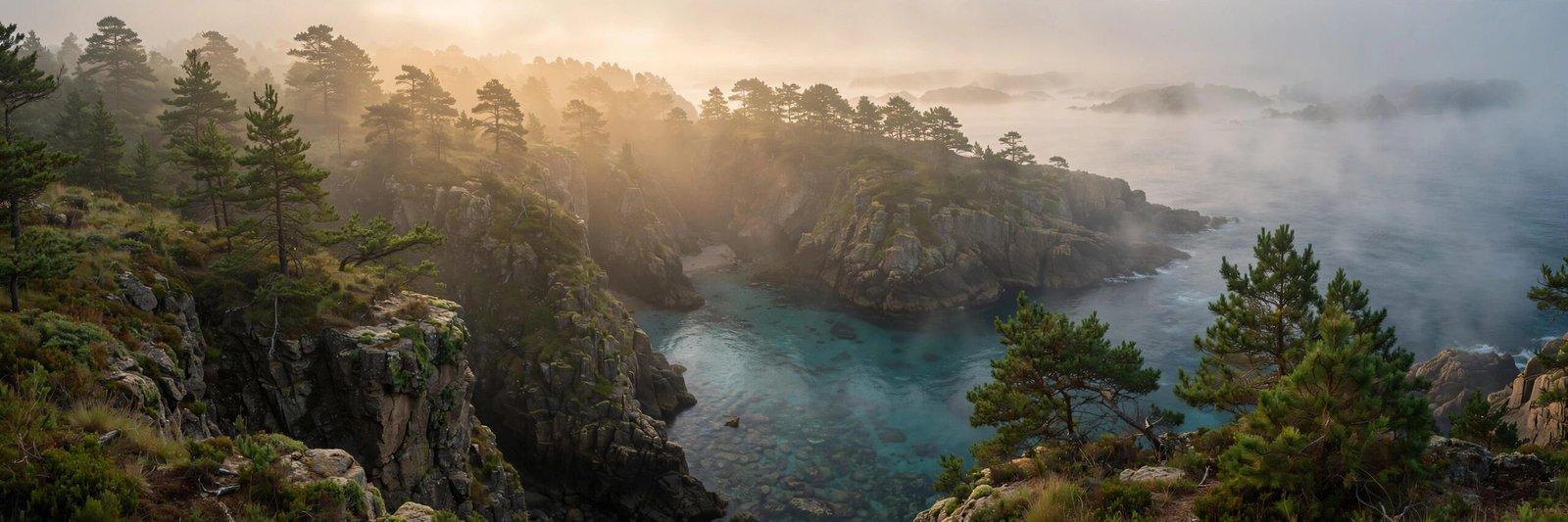
Everyone knows Hawaii and the Florida Keys — but scattered from Alaska to Maine are hidden islands in the USA that almost nobody talks about, places where the crowds thin out and something wilder takes over. These are the islands you reach by small ferry, floatplane, or a kayak launched at dawn. Some hold ghost towns, others hold nesting seabird colonies numbering in the millions, and a few hold nothing but silence and wind. This guide to hidden islands in the USA reveals ten secret gems that most travelers have never heard of — and that is exactly their charm.
The hidden islands in the USA share a common magic: they feel discovered rather than visited. There are no chain hotels on most of them, no lines for the “must-see” viewpoint, and no script for how your day should go. What you get instead is nature on its own terms — lighthouses, ruins, wildlife, and shorelines that look like they did a century ago. If you are the kind of traveler who prefers the road less taken, these islands were made for you.
What Makes These Hidden Islands in the USA So Special
An island earns its “hidden” status honestly. These are not marketing labels slapped on busy resort beaches — they are places with real barriers to entry: limited ferry schedules, no bridges, permits, or simply being far from everything. That difficulty is the filter. What survives it are islands with:
- Wildlife spectacles: puffin colonies, wild horses, nesting sea turtles, and bears fishing salmon streams.
- Living history: lighthouses, fishing villages, and ruins that tell real American stories.
- True quiet: the kind of silence you can only find where the mainland’s hum can’t reach.
- Adventure access: sea kayaking, backcountry hiking, and camping under truly dark skies.
A few of these islands require planning — reservations, permits, or guided access — so read each entry carefully before you go.
1. Cumberland Island, Georgia
Off Georgia’s southern coast lies one of the most hauntingly beautiful secret islands in America. Cumberland Island is a 17-mile-long barrier island of live-oak forests draped in Spanish moss, wild horses galloping across empty beaches, and the haunting ruins of the Dungeness mansion — a Gilded Age estate burned to a shell in 1959.
The only way to arrive is by ferry from St. Marys, and visitor numbers are limited, so the island never feels crowded. Hike the trails through maritime forest, spot armadillos and wild turkeys, and walk beaches where the only footprints are your own. The historic Greyfield Inn offers luxury lodging for those who want to stay, while the Sea Camp campground serves self-sufficient campers. It is Southern Gothic beauty at its finest.
2. Isle Royale, Michigan
One of the least-visited national parks in America protects one of the most remarkable secret islands in the country. Isle Royale rises from Lake Superior as a 45-mile-long wilderness of boreal forest, moose, and wolves — the setting of the world’s longest-running predator-prey study. There are no roads, no cars, and no towns: just 165 miles of hiking trails and some of the darkest night skies in the eastern United States.
Getting there is half the adventure. Ferries run from Houghton and Copper Harbor in Michigan and Grand Portage in Minnesota, and seaplanes fly in from Houghton. Backpackers and paddlers claim the island’s campsites, divers explore Lake Superior’s cold, clear shipwrecks, and anglers cast for lake trout. If you want to feel truly remote without leaving the country, Isle Royale delivers.
3. Tangier Island, Virginia
In the middle of the Chesapeake Bay sits an island where residents still speak with a dialect traced to 17th-century English settlers — one of the most culturally distinct island communities in America. Tangier Island is barely above sea level, threaded with narrow streets (cars are virtually nonexistent; everyone rides golf carts or bikes), and famous for its soft-shell crab industry.
Day ferries run from Crisfield, Maryland, and Onancock, Virginia. Walk the island in an hour, eat crab cakes at a waterfront restaurant, and talk to the watermen who still work the bay as their ancestors did. The island is visibly losing ground to erosion and rising seas, which gives a visit a poignant urgency — see it while you can.
4. Channel Islands, California
Just off the coast of Southern California — within sight of Los Angeles on clear days — the Channel Islands are a world apart. Often called “the Galapagos of North America,” these five islands host species found nowhere else on Earth, including the island fox, one of the smallest canids in the world. Sea caves, kelp forests, and cliffs crowded with nesting seabirds complete the picture.
Island Packers runs boats from Ventura and Oxnard harbors to all five islands. Day hikers can walk the bluffs of Santa Cruz Island, kayakers can paddle the sea caves, and campers can sleep under skies washed with stars. Snorkelers brave the cool water for kelp-forest diving that rivals tropical reefs for sheer life. It is astonishing that islands this wild sit this close to millions of people.
5. Monhegan Island, Maine
Twelve miles off the Maine coast, Monhegan is a 1.7-square-mile island of spruce forest, 160-foot sea cliffs, and an artists’ colony that has drawn painters for over a century. There are no cars, limited electricity, and seventeen miles of hiking trails that loop through cathedral-like woods and along some of the most dramatic cliffs on the Atlantic seaboard.
Ferries depart from Port Clyde, New Harbor, and Boothbay Harbor. Day-trippers can hike the cliff trail, browse the tiny galleries, and eat lobster rolls with a view. Overnight guests stay in rustic inns and wake to foghorns and seabirds. In fall, Monhegan becomes a legendary birding hotspot as migrating songbirds funnel through. If you pair it with the state’s other quiet corners, you’ll understand why Maine keeps showing up among the hidden gems in the USA most Americans never visit.
6. San Juan Islands, Washington
Technically not one island but an archipelago of over 170 named islands in the Salish Sea, the San Juans are among the most enchanting island escapes in the country — “hidden” in the sense that international travelers rarely make it here, though Northwesterners guard them jealously. Orcas cruise the channels in summer, bald eagles perch on every other snag, and lavender farms and vineyards dot the rolling hills of San Juan, Orcas, and Lopez islands.
Washington State Ferries connect Anacortes to the main islands. Kayak with orcas (from a respectful distance), bike the quiet country roads, and visit Lime Kiln Point State Park — nicknamed “Whale Watch Park” — for shore-based orca viewing. The islands’ rain-shadow climate makes them surprisingly sunny, a secret the locals are happy to keep.
7. Dry Tortugas, Florida
Seventy miles west of Key West, reachable only by boat or seaplane, the Dry Tortugas are seven tiny islands dominated by Fort Jefferson — a massive 19th-century coastal fortress with six million bricks, the largest brick masonry structure in the Americas. The surrounding waters are some of the clearest in the Florida Keys, with coral reefs, sea turtles, and shipwrecks in shallow, swimmable water.
The Yankee Freedom ferry runs daily from Key West, and seaplanes offer half-day trips with aerial views of the fort and the impossibly blue water. Snorkel right off the beach, tour the fort’s cavernous arches, and camp overnight for a sunset and sunrise with almost no one else around. It is the farthest-flung corner of the national park system in the eastern United States, and it feels like it.
8. Apostle Islands, Wisconsin
On Lake Superior’s southern shore, twenty-one islands form one of the great freshwater archipelagos of the world. The Apostle Islands are famous for their sea caves — red sandstone arches and caverns carved by the lake — which in winter transform into the legendary ice caves when conditions allow. Lighthouses stand on six of the islands, the largest collection in the national park system.
Kayak tours and cruise boats depart from Bayfield, Wisconsin. Camp on the islands, hike the old-growth forest trails, and watch for black bears swimming between islands — yes, they really do that, and the region’s wildlife is as rich as the best places to see bears in the USA. In winter, when Lake Superior freezes solid enough, visitors walk across the ice to the mainland sea caves — a pilgrimage that happens only in the coldest years.
9. Block Island, Rhode Island
Thirteen miles off the Rhode Island coast, Block Island is a 10-square-mile escape of bluffs, beaches, and Victorian-era charm. The island’s Southeast Lighthouse perches on dramatic clay cliffs (the Mohegan Bluffs), and more than 40 percent of the island is protected open space thanks to decades of conservation. The Nature Conservancy once named Block Island one of the “Last Great Places” in the Western Hemisphere.
Ferries run from Point Judith, Rhode Island, and seasonally from Connecticut and Long Island. Rent a bike or moped, hike the Greenway trails, and swim the Atlantic beaches. In fall, the island sits on the Atlantic Flyway and draws birders from across the country. It is close enough for a day trip but rewarding enough for a week.
10. Kodiak Island, Alaska
The second-largest island in the United States — after the Big Island of Hawaii — is also one of the wildest secret islands in the country. Kodiak is home to the Kodiak brown bear, the largest bears on Earth, which fish the island’s salmon streams in numbers that have to be seen to be believed. The island’s interior is a roadless wilderness of mountains, fjords, and Sitka spruce forest.
Fly in from Anchorage or take the Alaska Marine Highway ferry. Bear-viewing tours visit the Katmai-like streams of the Kodiak National Wildlife Refuge, anglers chase world-class salmon and halibut, and kayakers paddle fjords where the only company is sea otters and puffins. This is the frontier end of the American island spectrum — raw, vast, and unforgettable.
How to Plan a Trip to Hidden Islands in the USA
Visiting America’s hidden islands takes more planning than a typical beach trip. Keep these rules in mind:
- Book transport early. Ferries to places like Isle Royale, Monhegan, and Cumberland Island have limited capacity and sell out in peak season.
- Check permits and seasons. Some islands require camping permits, timed entries, or close entirely in winter.
- Pack for self-sufficiency. Many of these islands have no stores, no ATMs, and limited or no cell service. Bring food, water, and a paper map.
- Respect the fragility. Island ecosystems are delicate. Stay on trails, pack out everything, and keep your distance from wildlife.
- Have a backup plan. Ferries get canceled for weather. Build a buffer day into your itinerary.
Why America’s Secret Islands Are Worth the Effort
The hidden islands in the USA reward a particular kind of traveler — the one who would rather earn a view than queue for it. Each of these ten islands offers something the mainland cannot: a lighthouse at the edge of a cliff, a bear fishing a stream no road reaches, a beach where your footprints are the first of the day. They are proof that America still has frontiers, small and salt-rimmed, waiting for anyone willing to catch the ferry.
Start with the island that calls to you — the wild horses of Cumberland, the cliffs of Monhegan, the bears of Kodiak — and plan around the seasons that suit each one. And when you return to the mainland, keep exploring the country’s quieter corners: the secret waterfalls hidden across the USA make a perfect next adventure. Share your own secret island in the comments — but maybe keep the very best one to yourself.