
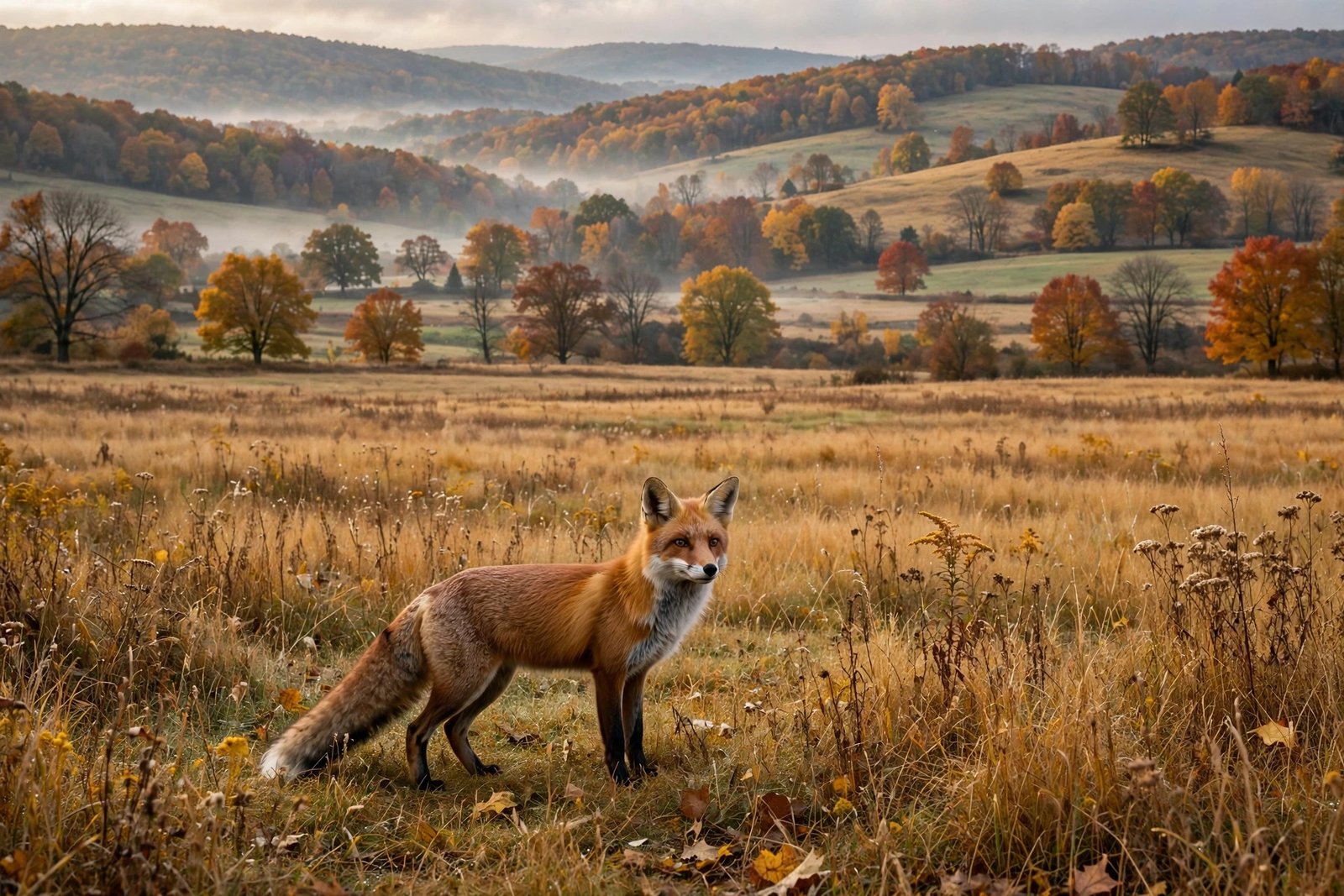
There is a special kind of magic in spotting a fox in the wild. One moment a meadow is empty, and the next a flash of russet red trots along the treeline, ears pricked, tail held high like a plume. If you have ever wondered where to see foxes USA has to offer, the good news is that you do not need to travel to some remote corner of the world. Foxes live in almost every part of the United States, from Alaskan tundra to Florida suburbs, and with a little patience and timing, your chances of seeing one are better than you might think.
This guide covers the best places, seasons, and times to spot red foxes, gray foxes, and Arctic foxes across the country, plus the field etiquette that keeps both you and the foxes safe. Whether you are planning a national park trip or just hoping to spot one near home, here is everything you need to know.
Where to See Foxes USA: The Red Fox
The red fox is the most widespread fox in the United States and the one most people picture when they think of foxes. Red foxes live across the northern and central United States, throughout the Rockies, and across much of the West Coast, and they have adapted remarkably well to life near people. You can find them in forests, grasslands, farmland, and even city parks and suburbs.
Some of the best places to look for red foxes include Yellowstone and Grand Teton National Parks, where foxes are regularly seen hunting in open meadows, especially in winter when their red coats stand out against the snow. Rocky Mountain National Park in Colorado is another strong bet, as are the open valleys and ranchlands of Montana and Wyoming. On the East Coast, red foxes are common in rural areas and in large parks, and they are often spotted at dawn and dusk along field edges and hedgerows.
One of the most famous red fox populations lives on San Juan Island in Washington State, where foxes are frequently seen in the island’s prairies and along its roads. Because the island’s foxes are used to people, visitors often get excellent views, though keeping a respectful distance is still essential.
Red foxes are most active at dawn and dusk, and they are easiest to spot in winter and early spring, when vegetation is low and their coats contrast with snow or bare ground. In summer, they are harder to see among tall grass, but they are still around, often hunting for mice, voles, and berries in the early morning.
Where to See Foxes USA: The Gray Fox
The gray fox is the second fox species most visitors are likely to see, and it is a very different animal from its red cousin. Gray foxes have grizzled gray coats, rusty patches on their necks and legs, and a black stripe along the top of the tail. They are also unique among American canids: they are one of the only dog relatives that can climb trees, using hooked claws to scramble up trunks to escape predators or to rest.
Gray foxes prefer brushy woodlands, chaparral, and forest edges, and they are most common in the southern and eastern United States, as well as parts of the Southwest and California. Good places to look include the oak woodlands of California, the brush country of Texas, and the forested parks of the Southeast, including Shenandoah National Park in Virginia and the Great Smoky Mountains region.
Gray foxes are more secretive than red foxes and are mostly nocturnal, which makes them harder to spot. Your best chance is to drive quiet back roads slowly at night in fox country, watching for eyeshine in the headlights, or to set up near a forest edge at dusk with binoculars and patience. Trail cameras placed near woodland trails are another way enthusiasts confirm gray foxes in an area.
If you enjoy wildlife watching, you may also enjoy our guides to where to see wolves in the USA and where to see bears in the USA, which cover the same parks and seasons from a different angle.
Other Foxes: Arctic, Kit, and Swift Foxes
Beyond the red and gray fox, the United States is home to several less common species that are worth knowing about. The Arctic fox lives in northern Alaska, where its white winter coat turns brownish-gray in summer. Seeing one requires a trip to the far north, such as the coastal plain around Prudhoe Bay, and it is a true bucket-list wildlife experience.
The kit fox is a small, large-eared desert fox found in the American Southwest, including parts of California, Nevada, Arizona, and New Mexico. Kit foxes live in arid grasslands and desert scrub and are mostly nocturnal, so they are rarely seen by casual visitors. The swift fox, a close relative, lives on the shortgrass prairies of the Great Plains, from Montana and the Dakotas south through Colorado, Kansas, and Texas. Swift foxes are small, fast, and shy, and they are most often spotted by dedicated wildlife watchers on prairie roads at dawn or dusk.
These rarer species remind us how diverse American foxes really are. From frozen tundra to hot desert, there is a fox adapted to nearly every landscape in the country.
Best Seasons and Times to See Foxes
Timing matters more than location when you are deciding where to see foxes USA in the wild. Here is a quick seasonal guide:
- Winter: The best season overall. Foxes stand out against snow, vegetation is low, and hungry foxes hunt longer hours. Yellowstone in winter is a classic fox-watching trip.
- Spring: Excellent for seeing fox kits. Adults are busy hunting to feed their young, and kits may be visible near dens in late spring, though you should never approach a den.
- Summer: Harder, but not impossible. Look at dawn and dusk in meadows and along forest edges, and watch for foxes hunting in open fields.
- Fall: Young foxes disperse to find their own territories, so sightings can increase, especially along roads and field edges in rural areas.
The golden hours for fox watching are the first hour after sunrise and the last hour before sunset. Foxes are crepuscular, meaning they are most active at twilight, and that is when you are most likely to catch one trotting across a meadow or pausing to listen for mice beneath the grass.
Top Places to See Foxes in the USA
Putting it all together, here are some of the most reliable places for anyone wondering where to see foxes USA:
- Yellowstone National Park, Wyoming and Montana: Red foxes in Lamar Valley and other open meadows, especially in winter.
- Grand Teton National Park, Wyoming: Red foxes hunting in sagebrush flats and along the Snake River.
- San Juan Island, Washington: Approachable red foxes in prairies and coastal grasslands.
- Rocky Mountain National Park, Colorado: Red foxes in montane meadows and around campgrounds at dawn.
- Shenandoah National Park, Virginia: Gray foxes and red foxes along Skyline Drive and forest edges.
- Great Smoky Mountains region, Tennessee and North Carolina: Gray foxes in forested valleys and along quiet roads.
- California oak woodlands: Gray foxes in brushy canyons and chaparral, especially in state parks and open-space preserves.
- Texas brush country: Gray foxes and kit foxes in the southern and western parts of the state.
- Alaska’s North Slope: Arctic foxes in their white winter coats, a true Arctic wildlife adventure.
- Your own neighborhood: Do not overlook suburbs and city parks. Red foxes now live in and around many American cities, and a quiet evening walk can be surprisingly productive.
Fox Watching Tips and Etiquette
Seeing a fox is a privilege, and how you behave matters. Foxes that become used to people can lose their natural caution, which puts them at risk from cars, dogs, and disease. Follow these rules:
- Keep your distance. Use binoculars or a telephoto lens. If the fox changes its behavior because of you, you are too close.
- Never feed a fox. Feeding wild foxes makes them dependent and bold, and it can lead to them being removed or killed.
- Stay quiet and still. Foxes have excellent hearing. Move slowly, keep your voice low, and let the fox come to you.
- Never approach a den. Disturbing a den can stress parents and endanger kits. Enjoy den sightings only from a long distance.
- Keep dogs leashed. Dogs can chase or spread disease to foxes, and a fox defending its den can be aggressive.
- Drive slowly in fox country. Many foxes are killed on roads, especially at night. Slow down on rural roads at dawn, dusk, and after dark.
Photographers should use long lenses and avoid using flash. The best fox photos come from patience: find a good vantage point near a meadow edge, settle in quietly before dawn, and wait. The fox will do the rest.
Foxes Near Home: The Suburban Surprise
One of the happiest trends in American wildlife is the return of red foxes to suburbs and even cities. As green spaces, parks, and golf courses have grown, foxes have moved in, finding rabbits, mice, and berries in abundance. Many people first see a fox not in a national park but in their own backyard, trotting along a fence at dusk or napping under a garden shed.
If foxes visit your neighborhood, enjoy them from a distance, keep pet food indoors, secure trash, and never try to tame or touch one. A healthy respect for wildness is what allows foxes and people to share the same landscape. And if you are lucky enough to see a fox on your evening walk, consider it a small reminder that wild America is closer than you think.
Now that you know where to see foxes USA, grab your binoculars, pick a park or a prairie, and head out at dawn. The foxes are out there, in meadows and mountains from coast to coast, waiting for a quiet watcher to notice them. Have you spotted a fox in the wild? Tell us where in the comments, and explore more wildlife guides on Beauty of USA to plan your next animal encounter.