
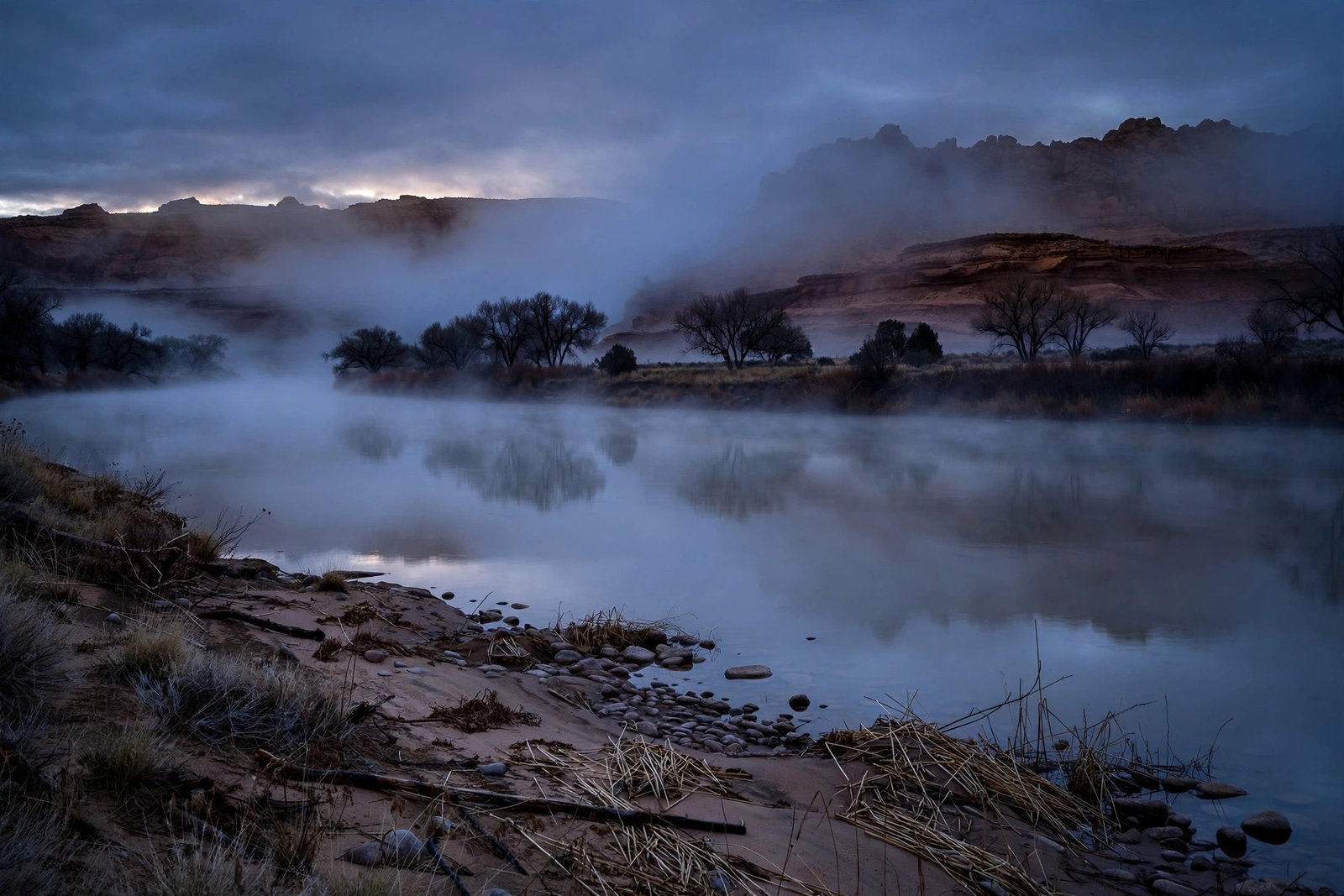
On quiet nights near rivers across the American Southwest, parents still tell their children to come inside before dark — or the weeping woman might find them. The La Llorona legend is one of the most enduring ghost stories in the Americas, a tale of love, loss, and a mother’s grief that has been whispered from generation to generation for centuries. Whether you first heard it from a grandparent, a campfire story, or a Hollywood film, the story of the weeping woman has a way of staying with you long after the telling ends.
But what exactly is La Llorona, and where did this haunting story begin? In this guide, we trace the legend from its roots in Mexican folklore to its place in American culture today, exploring the different versions of the tale, what it means, and why it continues to be told. Like all folklore, this is a legend — a story shaped by centuries of retelling — not a verified historical event. That distinction matters, because the power of La Llorona lies not in whether she is real, but in what her story reveals about the people who tell it.
What Is the La Llorona Legend?
At its heart, the La Llorona legend tells the story of a woman who drowned her own children in a moment of grief or rage, then died herself — often by drowning — and was condemned to wander the earth, weeping as she searches for her lost children. Her name comes from the Spanish verb llorar, meaning “to cry,” and she is known in English as “the Weeping Woman.” People who claim to have encountered her describe hearing her cries — a long, mournful wail of “¡Ay, mis hijos!” (“Oh, my children!”) — near rivers, lakes, and streams, usually at night.
The legend is most closely associated with Mexico and the southwestern United States, but versions of the story appear throughout Latin America and in Hispanic communities across the USA. In some tellings, La Llorona appears as a beautiful woman in a white dress; in others, she is a gaunt, ghostly figure with a skull-like face. Some versions say she drowns children who wander too close to the water. Others say she merely wanders, harmless but heartbroken, forever searching for the children she can never find.
What makes the story so powerful is its emotional core. This is not a monster story told for cheap scares. It is a tragedy — a story about a mother’s worst moment and the guilt that follows her forever. That grief is what gives the legend its staying power and its ability to move listeners centuries after it was first told.
The Origins of the La Llorona Legend
The exact origins of the La Llorona legend are lost to history, which is true of most folklore passed down by word of mouth. Scholars and storytellers have proposed several possible roots. One theory connects the tale to pre-Columbian Aztec mythology, where goddesses such as Cihuacoatl — a deity associated with motherhood and childbirth — were said to weep for lost children and roam at night. Another theory traces the story to colonial Mexico, where the legend may have grown out of the real social tensions of the era, including stories of women caught between cultures, classes, and families.
One of the most repeated origin stories links La Llorona to a woman named Maria, sometimes called Maria of the colonial era. According to this version, Maria was a young woman of humble birth who fell in love with a wealthy man. They married and had children, but when he abandoned her — in some versions for a woman of higher social standing — Maria was overcome with grief and rage. In a moment of despair, she drowned her children in a river. Realizing what she had done, she drowned herself, and her spirit was condemned to wander the waterways, weeping for her children for eternity.
Historians caution that there is no documentary evidence identifying a single real woman as the original La Llorona. The Maria story is itself a legend — a narrative framework that storytellers have used to give the tale a human face. The legend likely emerged gradually, blending Indigenous beliefs, Spanish colonial storytelling, and the universal human experience of grief and guilt. Its true origin is not one woman or one event, but a culture’s way of expressing fear, sorrow, and moral warning through story.
How the Legend Changes From Place to Place
One of the most fascinating things about La Llorona is how much the story changes depending on where — and by whom — it is told. In New Mexico, the tale is often set along the Rio Grande, and La Llorona is described as a tall woman in white who appears near irrigation ditches and arroyos. In Texas, the story is told along the Rio Grande Valley, where parents warn children not to play near the river after dark. In Arizona and California, versions of the tale traveled with migrant communities and took root in new landscapes.
Across Latin America, the legend takes on local color. In Guatemala, she is known as La Llorona but is sometimes said to appear near cemeteries. In parts of South America, similar weeping-woman figures appear under different names. Some versions add new details: La Llorona may appear as a beautiful woman who lures men to the water, or as a woman in black who knocks on doors at night. In some tellings, she harms children; in others, she is a guardian figure, frightening children away from dangerous water — a warning dressed as a ghost story.
These variations are not contradictions. They are how folklore works. Each community reshapes the legend to fit its own landscape, its own fears, and its own values. The river in the story is always the local river. The warning is always the local danger. That adaptability is a big reason the legend has survived for so long.
Why the Legend Endures: What La Llorona Really Means
Folklorists often describe La Llorona as a cautionary tale, and the warning operates on several levels at once. The most practical lesson is simple: stay away from dangerous water. Rivers, irrigation ditches, and arroyos in the Southwest can be deadly, especially for children and especially at night. A frightening story about a weeping woman near the water is far more memorable to a child than a simple rule — and far more likely to be obeyed.
On a deeper level, the legend speaks to guilt, grief, and the consequences of a single terrible choice. Maria’s story — whether or not any real Maria existed — gives listeners a way to think about how grief can overwhelm reason, and how guilt can feel eternal. For adults, the story can be a meditation on loss and regret. For children, it is a thrilling, scary tale with a clear moral: listen to your parents, and stay away from the river.
The legend also carries cultural meaning. For many Mexican American families, La Llorona is part of a shared heritage — a story that connects generations. Grandparents who heard the tale as children pass it on to grandchildren, and in the retelling, family history and cultural identity are passed along too. Over time, the La Llorona legend has become more than a ghost story; it is a thread that links the past to the present, and the telling itself becomes an act of belonging.
La Llorona in Movies, Books, and Pop Culture
In recent decades, La Llorona has moved from campfire stories into mainstream American pop culture. The legend has inspired episodes of television shows, children’s books, novels, and films. The best-known recent adaptation is the 2019 horror film “The Curse of La Llorona,” which introduced the weeping woman to audiences around the world. Other films and series have used the legend as inspiration, sometimes faithfully and sometimes loosely, and the story has appeared in everything from animated shows to video games.
These adaptations have a mixed reputation among people who grew up with the legend. Some appreciate seeing a story from their culture reach a wider audience. Others feel that Hollywood versions flatten a complex, emotional folk tale into a generic monster movie. Both reactions point to the same truth: La Llorona belongs to the people who tell her story, and every retelling — whether around a fire or on a screen — becomes part of the legend’s long life.
For readers who love American ghost stories, La Llorona sits alongside other famous spirits of the American landscape. If you enjoy tales of restless spirits, you may also like the story of the White Lady ghost legend, another weeping figure said to haunt roads and waterways. Fans of classic American horror may enjoy exploring the Legend of Sleepy Hollow and its true story, while our roundup of American legends and the true stories behind them places La Llorona in the wider tradition of folklore that shaped the USA.
How the Legend Is Told Today
Today, La Llorona is told in many ways. In many families, the story is still passed down orally, told by grandparents to grandchildren on dark evenings or during gatherings. In schools and libraries, the legend appears in bilingual children’s books that introduce young readers to Mexican folklore. At Halloween, the tale is a favorite for haunted houses and storytelling events across the Southwest. And online, the legend lives on in videos, podcasts, and social media posts that retell — and sometimes reinvent — the story for new audiences.
Storytelling events and cultural festivals in New Mexico, Texas, Arizona, and California sometimes feature La Llorona performances, where actors bring the weeping woman to life for live audiences. These performances often emphasize the tragic, human side of the story rather than pure horror, reminding audiences that this is a legend about grief as much as it is a ghost story.
If you want to experience the legend firsthand, the best way is to listen to the people who grew up with it. Seek out storytelling events, folklore festivals, or oral-history collections in the Southwest. And remember the spirit in which the story is told: it is a piece of living culture, not just a scary tale. Treat it with the respect it deserves.
The Weeping Woman’s Lasting Lesson
Centuries after the first telling, the La Llorona legend still moves people because it speaks to something universal: the weight of grief, the fear of loss, and the hope that a story can keep us safe. Whether you hear her as a warning, a tragedy, or a piece of cultural heritage, the weeping woman reminds us that the stories we tell shape how we understand the world — and how we protect the people we love.
Have you heard a version of the La Llorona story? Every family tells it a little differently, and those differences are part of what makes the legend so rich. Share your version, explore more American folklore on Beauty of USA, and keep the tradition of storytelling alive — preferably well away from the riverbank after dark.