
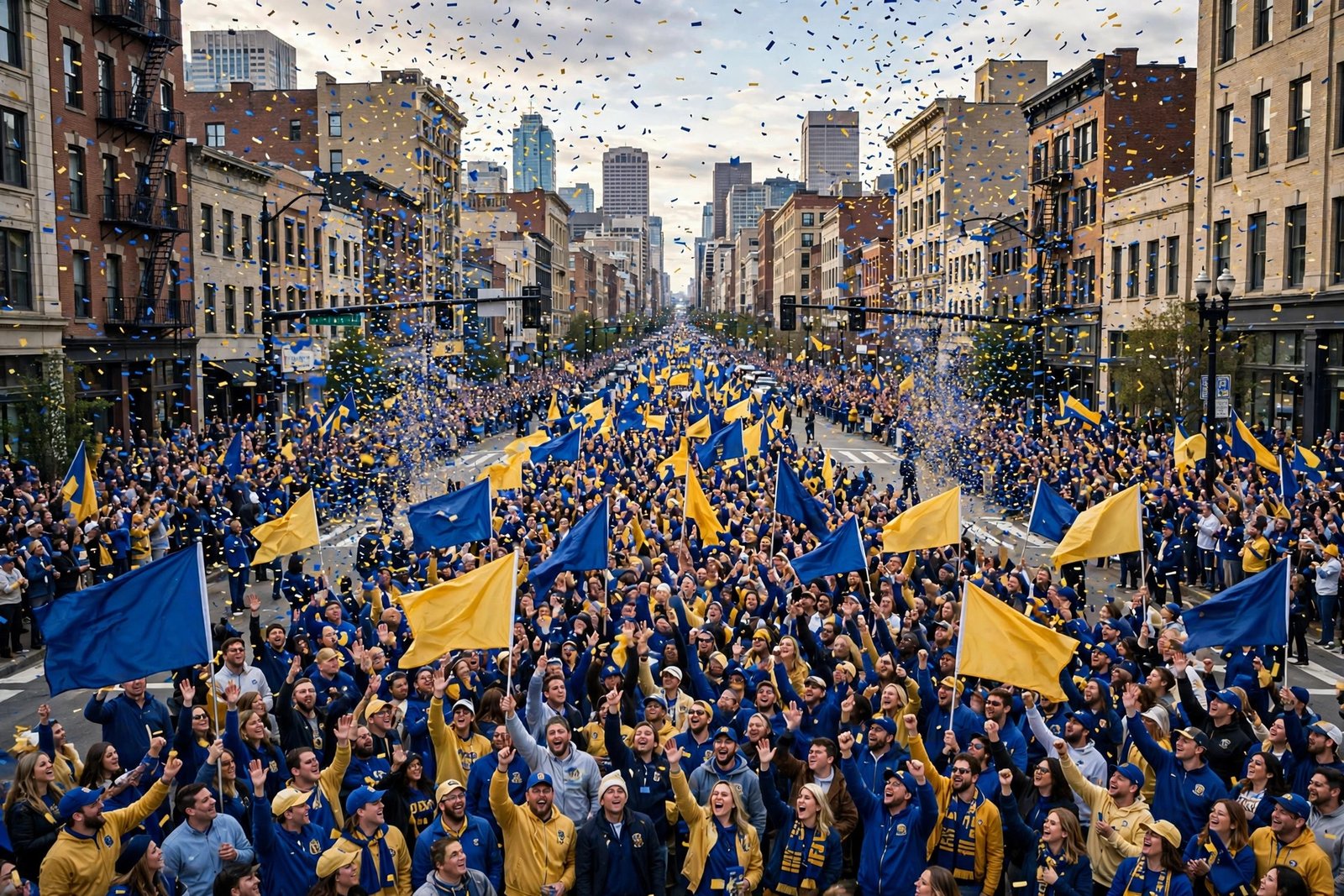
Some days stay with a city long after the music fades and the streets clear. The Brewers World Series parade was one of those days, a moment when a whole community gathered to celebrate a championship together, in person, shoulder to shoulder, under the same sky. The Milwaukee Brewers are the 2026 World Series champions, and the championship parade and rally took place Friday, October 30, 2026 in downtown Milwaukee. Milwaukee police estimated a crowd of 750,000 or more, a gathering so large that it turned an ordinary Friday into a shared memory for fans across the city and beyond.
Championship parades are about more than a trophy. They are about the people who cheered through every high and low, the families who watched together, the friends who talked about the team all season, and the neighbors who found a reason to celebrate side by side. This article looks at what made the day special, from the parade through downtown to the rally that followed, and why moments like this matter so much to a city and its fans.
The Brewers World Series Parade Through Downtown Milwaukee
The parade started at 10 a.m. through downtown streets and led to the Summerfest grounds. From the morning hours, downtown Milwaukee became the center of the celebration, as fans gathered to be part of a moment they had waited to share. The Brewers World Series parade gives supporters a chance to see the team up close, to cheer together, and to feel part of something larger than any single game. The streets, usually filled with the everyday rhythm of work and travel, took on a different feeling for the day, becoming a place for celebration, color, music, and community pride.
There is something powerful about celebrating in person. Watching at home can be exciting, but standing with a crowd brings a different kind of energy. People share smiles with strangers, lift children onto shoulders so they can see, wave flags and banners, and join in chants and songs that roll through the crowd. On a day like this, the city itself feels like part of the team, and the team feels like part of every family that came out to celebrate.
The size of the gathering tells its own story. Milwaukee police estimated a crowd of 750,000 or more, a remarkable show of support that reflects how deeply the championship run connected with fans. A crowd of that scale does not happen by accident. It happens when a team captures hearts, when a season gives people something to believe in, and when a championship gives them a reason to come together and say thank you. For many who attended, the Brewers World Series parade was not just an event to watch. It was an experience to remember, a story to tell for years, and a day they will describe to friends and family with pride.
Parades also create memories that bridge generations. Grandparents, parents, and children can share the same celebration, each bringing their own memories of following the team. A child at a championship parade may remember the sounds, the colors, and the feeling of being part of a huge crowd long after the details fade. Years later, that child may tell their own children about the day they celebrated a championship in downtown Milwaukee, keeping the story alive for a new generation of fans.
The Brewers World Series Parade Rally at the Summerfest Grounds
After the parade made its way through downtown, the celebration continued at the Summerfest grounds, where the championship rally at the American Family Insurance Amphitheater started at 12:30 p.m. A rally gives fans a chance to gather in one place, to hear from the team, to sing and cheer together, and to mark the official moment of celebration. The amphitheater setting, with its stage and open space, allowed the crowd to share the experience together, creating a feeling of unity that is hard to capture anywhere else.
Rallies are often the emotional heart of a championship celebration. The parade shows the team to the city, while the rally brings everyone together for a shared moment of joy. Fans can look around and see just how many people share their passion, from lifelong supporters to newcomers who joined the journey along the way. That sense of belonging is one of the most powerful parts of sports, and it is why championship days matter far beyond the final result of a season.
The move from downtown streets to the Summerfest grounds also gave the day a natural flow, from a moving celebration through the city to a gathering place where fans could settle in and enjoy the rally together. It allowed the celebration to grow from the excitement of the parade into a focused moment of gratitude, pride, and joy, with the team and the fans sharing the stage, in spirit if not in every detail, for a celebration that belonged to the whole city.
A Nod to History: Robin Yount and Bob Uecker’s Harley
One of the most talked-about moments of the rally connected the present championship to the team’s past. Robin Yount recreated his classic 1982 ride on Bob Uecker’s Harley onto the stage. For longtime fans, the moment carried deep meaning, linking a beloved figure from an earlier era to a new championship celebration. For newer fans, it was a chance to see a piece of team history come to life, not in a museum or a highlight reel, but right there on stage during the celebration.
Moments like this show why sports history matters. Teams are not just collections of players in a single season. They are stories that stretch across decades, built by the people who wore the uniform, called the games, and cheered from the stands. When a familiar figure recreates a classic moment, it honors everyone who was part of the journey, including those who followed the team through seasons that did not end in a championship. It says that this celebration belongs not only to today, but to every fan who kept believing along the way.
Bob Uecker’s name carries special weight for Brewers fans, and the sight of his Harley on stage added emotion to the rally. The ride was a tribute, a celebration, and a reminder that great teams are remembered not only for what they win, but for the personalities, voices, and characters who make following them so enjoyable. Robin Yount’s recreation of the ride gave the rally a moment that fans will talk about for years, a bridge between past and present on a day devoted to celebrating the future.
Foenem and the Viral Song That Became an Anthem
Music played its own part in the celebration, and one appearance stood out for fans who followed the team online. Foenem, creator of the viral song “Milwaukee Brewers”, appeared in the parade. In an era when songs can travel from a phone screen to a stadium crowd in a matter of days, a viral anthem can become part of a team’s identity, giving fans a shared soundtrack for a season they will never forget.
A song like that works because it is simple, joyful, and easy to share. Fans can sing it together, post it, play it for friends, and hear it and instantly think of the team. When its creator appears in the parade, the celebration comes full circle: the music that fans shared online becomes part of the real-world celebration, and the people who helped spread it get to be part of the day themselves. It is a reminder of how modern fandom works, with supporters creating, sharing, and celebrating together across social media and in person.
For readers who love following the moments that capture the country’s attention, the Brewers celebration fits right into the wider world of viral sports stories, including the collection of World Series 2026 USA viral moments. Those moments show how a single game, song, or celebration can bring people together far beyond one city, turning local pride into a national conversation.
Why Championship Days Matter to a City
A championship parade is a celebration, but it is also a reflection of community. Sports teams give cities a shared identity, a common topic of conversation, and a reason for people from different backgrounds and neighborhoods to cheer for the same cause. On a championship day, those connections become visible in a way that is rare in everyday life. Strangers become fellow fans, neighborhoods share in the same pride, and the city gets a chance to see itself at its joyful best.
For Milwaukee, the parade and rally offered a moment of collective pride that will live on in photos, videos, and stories shared by the fans who were there. People will remember where they stood, who they were with, and how it felt to be part of a crowd estimated at 750,000 or more. Those personal memories are what turn a public event into a private treasure, something to revisit whenever the team is mentioned or a highlight from the season appears.
Championship celebrations also inspire the next generation. Young fans who attend a parade or watch a rally may dream of playing, coaching, cheering, or simply being part of a team one day. They learn that dedication, teamwork, and perseverance can lead to something worth celebrating, and they carry that lesson into their own lives, whether on a field, in a classroom, or at work. A day of celebration can plant seeds that grow for years.
There is also a simple, human joy in gathering to celebrate good news. Life brings plenty of challenges, and moments of shared happiness remind people of what community feels like. A parade gives everyone permission to pause, to smile, to cheer loudly, and to enjoy being together. That joy is not limited to the most dedicated fans. It spreads to families, visitors, and anyone who happens to be downtown on a day when a city decides to celebrate itself.
Keeping the Celebration Alive
Long after the parade route clears and the rally ends, the celebration continues in smaller, personal ways. Fans will wear team gear, share photos and videos, retell their favorite moments, and talk about the day with friends who could not attend. The songs from the celebration will bring back memories, the images from downtown will resurface on anniversaries, and the story of the championship will be told again and again.
If you attended the parade or the rally, consider saving your photos, writing down your memories, or sharing your story with family. Details fade with time, but a short note about where you stood, who you were with, and what the day felt like can preserve the moment for years. If you watched from home, you can still be part of the celebration by sharing the story, supporting the team, and joining the conversation with fellow fans.
Milwaukee’s championship celebration also offers a reminder to enjoy the seasons and gatherings that bring people together closer to home. Whether it is a sports celebration, a summer festival, or a family tradition, shared experiences create the stories that define a community. For a lighter look at American traditions that bring people together, readers may enjoy the guide to American summer camp culture, another celebration of community, friendship, and the simple joys of gathering together.
Conclusion
The Brewers World Series parade was a day for Milwaukee to celebrate together, from the 10 a.m. start through downtown streets to the Summerfest grounds, and on to the championship rally at the American Family Insurance Amphitheater starting at 12:30 p.m. With a crowd estimated at 750,000 or more, a historic ride recreated by Robin Yount on Bob Uecker’s Harley, and an appearance in the parade by Foenem, creator of the viral song “Milwaukee Brewers”, the day blended history, music, and community pride into a single unforgettable celebration.
Championships are won on the field, but they are celebrated in the streets, in gathering places, and in the hearts of fans. Milwaukee’s celebration showed what happens when a team and its city share a moment of pure joy, and it gave fans a memory they will carry with them for a lifetime. If you were there, share your story. If you were watching from afar, share this article with a fellow fan, and keep celebrating the moments that bring us together.