
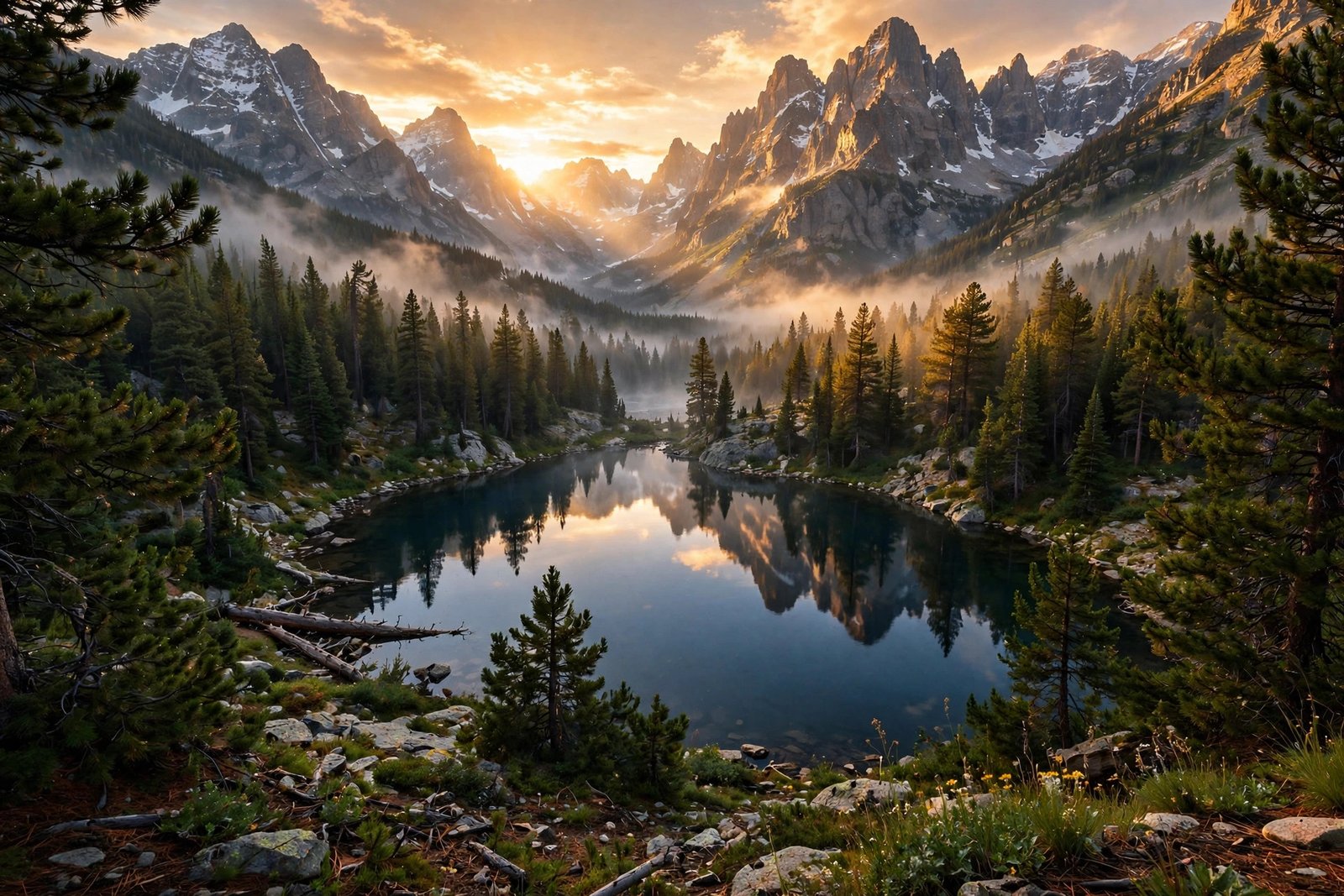
Montana is famous for Glacier National Park and Yellowstone, but some of the state’s best moments happen far from the famous viewpoints. Turn off the interstate, follow a two-lane road past wheat fields and pine forests, and you will find ghost towns, quiet lakes, and hot springs where the locals outnumber the tourists. These hidden gems Montana travelers love are the reason the state still earns its nickname, the Last Best Place.
This guide rounds up the secret spots worth building a trip around, from remarkably preserved frontier towns to lakes so clear you can count the stones on the bottom. Whether you have a long weekend or a full week, these places show a slower, wilder, and more surprising side of Big Sky Country.
Why Hidden Gems Montana Reward Slow Travel
Montana is the fourth-largest state in the country, yet one of the least densely populated, which means there is a lot of room to breathe. The distances are real: towns can sit an hour or more apart, and a single day’s drive can cross prairie, mountain passes, and river valleys. That scale is part of the magic, but it rewards travelers who slow down instead of rushing between famous parks.
The best hidden places in Montana are rarely marked with big signs. A hot spring might sit at the end of a gravel road, a ghost town might be a short detour from the highway, and a perfect swimming lake might be known mostly to the ranching family down the road. Asking locals for directions, checking in at small-town cafes, and keeping your itinerary loose will open doors that no app can.
Traveling this way also supports the small communities that keep these places alive. Eating at a family diner, staying in a historic hotel, and buying supplies at a general store all help tiny towns survive, and the conversations you have there are often the most memorable part of the trip.
Hidden Gems Montana: Small Towns Frozen in Time
Virginia City is the crown jewel of Montana ghost towns, and it is very much alive. This former gold-rush boomtown in the southwest of the state preserves wooden boardwalks, historic storefronts, and a working narrow-gauge railroad to nearby Nevada City. Costumed interpreters and summer theater shows bring the 1860s to life, and the surrounding Alder Gulch valley is beautiful in its own right.
Philipsburg, tucked into the Flint Creek Valley, is another favorite. Once a silver mining center, it is now known for its charming main street, a famous candy store, and the sapphire mining that draws rockhounds from across the country. Visitors can try their hand at sifting for sapphires, then explore nearby Georgetown Lake, a mountain lake popular for fishing and paddling.
Fort Benton, on the Missouri River in north-central Montana, calls itself the birthplace of Montana, and the claim has history behind it. As the head of steamboat navigation on the Missouri, it was once one of the most important trading posts in the West. Today its riverfront, museums, and quiet streets offer a deep look at frontier history without the crowds found at better-known historic sites.
Other small towns worth a stop include White Sulphur Springs, with its castle-like museum and nearby hot springs, and the artsy community of Livingston, a gateway town to Yellowstone that has kept its railroad-era downtown and its creative spirit.
Lakes, Rivers, and Hot Springs Off the Beaten Path
Flathead Lake, the largest natural freshwater lake in the western United States, is well known, but its quieter corners still feel like a secret. The east shore, with its cherry orchards and small marinas, is far calmer than the busier resort towns, and the lake’s famously clear water makes for wonderful swimming, sailing, and kayaking in summer.
For a more tucked-away water escape, head to the Seeley-Swan Valley, where a chain of lakes and the Clearwater River offer canoeing, fishing, and wildlife watching amid thick pine forest. Holland Lake, with its lodge and trailheads, is a peaceful base for hikes into the Swan Range, and the valley’s small communities welcome visitors with cafes and cabins.
Montana’s hot springs are another delight. Quinn’s Hot Springs Resort, along the Clark Fork River in the western part of the state, offers riverside soaking pools in a forested setting. Fairmont Hot Springs, near Anaconda, pairs natural mineral water with a full resort, and the smaller, rustic pools scattered across the state reward travelers who ask around locally. Soaking under a big Montana sky after a day of hiking is one of the state’s simple, perfect pleasures.
If you love wide-open water and quiet shores, you will enjoy the same spirit in our guide to the best beaches in the USA, where hidden stretches of sand offer a different kind of escape.
Glacier Country Beyond the Crowds
Glacier National Park draws millions of visitors, but its quieter corners still exist for those willing to explore. Polebridge, a tiny off-grid community near the park’s northwest entrance, has no cell service and no electricity, just a beloved mercantile, a bakery, and access to the remote North Fork valley. Bowman Lake, reached by a bumpy gravel road from Polebridge, offers mountain scenery and solitude that the busy Going-to-the-Sun Road corridor cannot match.
Outside the park, the Flathead Valley’s back roads lead to farm stands, huckleberry patches, and small lakes that locals keep to themselves. The town of Bigfork, on the northeast shore of Flathead Lake, is a gem in its own right, with a theater, art galleries, and a charming waterfront village feel that makes it a perfect evening stop after a day outdoors.
For hikers, the Jewel Basin in the Swan Range offers alpine lakes and wildflower meadows with a fraction of the foot traffic of the national park trails. It is a reminder that Montana’s wild beauty extends far beyond its famous park boundaries.
Eastern Montana: The State’s Best-Kept Secret
Most visitors never make it east of Billings, and that is exactly why eastern Montana feels like a discovery. Makoshika State Park, near Glines, is the state’s largest state park, a landscape of badlands, pine-topped buttes, and dinosaur fossil beds that feels more like South Dakota than the Montana of postcards. Its trails and viewpoints are uncrowded even in summer.
The Missouri Breaks, a rugged stretch of river country in north-central Montana, offers remote canoeing, wildlife viewing, and a sense of frontier solitude that is increasingly rare. The Upper Missouri River Breaks National Monument protects dramatic white cliffs and the same river route traveled by the Lewis and Clark expedition, and guided float trips make it accessible even to first-time paddlers.
Small towns like Miles City, with its western heritage and annual bucking horse sale, and the dinosaur museums of the Montana Dinosaur Trail, which links small-town museums across the region, add culture and curiosity to an eastern Montana road trip. If you enjoy uncovering places most travelers overlook, you will love the same approach in our guide to hidden gems in Texas, where small towns and secret springs reward the curious.
Planning Your Hidden Gems Montana Trip
A trip built around hidden gems Montana style takes a little extra preparation, because services can be sparse. Gas stations, restaurants, and cell coverage may be many miles apart, especially in the eastern part of the state. Fill up whenever you can, carry water and snacks, and download offline maps before heading into remote areas.
- Rent a reliable car: many secret spots sit at the end of gravel roads, so a sturdy vehicle with good clearance is a smart choice.
- Book small stays early: historic hotels and cabins in tiny towns have few rooms and fill up fast in summer.
- Check seasonal access: mountain roads and park entrances may close in winter, and some remote sites are best visited from late spring through early fall.
- Respect ranch land: leave gates as you find them, stay on public roads and trails, and never trespass on private property.
- Watch for wildlife: bears, moose, and deer are common, so keep a safe distance and store food properly when camping.
Summer is the most popular season, with warm days and full access, but autumn brings golden larch trees, fewer visitors, and crisp air that is perfect for hiking. Winter has its own rewards too, from hot springs in the snow to quiet, snow-covered ghost towns.
Where to Eat, Stay, and Slow Down
Montana’s small towns punch above their weight when it comes to food and lodging. Historic hotels like the Grand Union in Fort Benton and the many family-run lodges around the Seeley-Swan Valley offer character you will not find in a chain motel. In Virginia City and Philipsburg, old-fashioned cafes and candy stores are part of the experience, not just a pit stop.
Farm-to-table dining has taken root even in small communities, with ranch beef, huckleberry desserts, and locally brewed beer on menus across the state. Ask your server what is local, and you will often get a story along with your meal. Farmers markets in Bozeman, Missoula, and smaller towns are also wonderful places to taste Montana and meet the people who grow its food.
Above all, build unscheduled time into your days. The best Montana discoveries often come from a hand-painted sign, a recommendation from a gas station attendant, or a road that simply looks interesting. Leave room for serendipity, and Montana will fill it.
Conclusion: Go Find Your Own Montana
Montana’s famous parks deserve their fame, but the state’s soul lives in its quiet places: the ghost town boardwalk, the empty lake at dawn, the hot spring under a sky full of stars. These are the moments that turn a good vacation into a story you tell for years.
Start with the spots in this guide, then go further. Talk to locals, follow the back roads, and let curiosity set the route. Share your own discoveries, too, because Montana is big enough for everyone to find a corner to love. For more American travel inspiration, explore our guide to the most beautiful waterfalls in the USA and start planning your next adventure.