
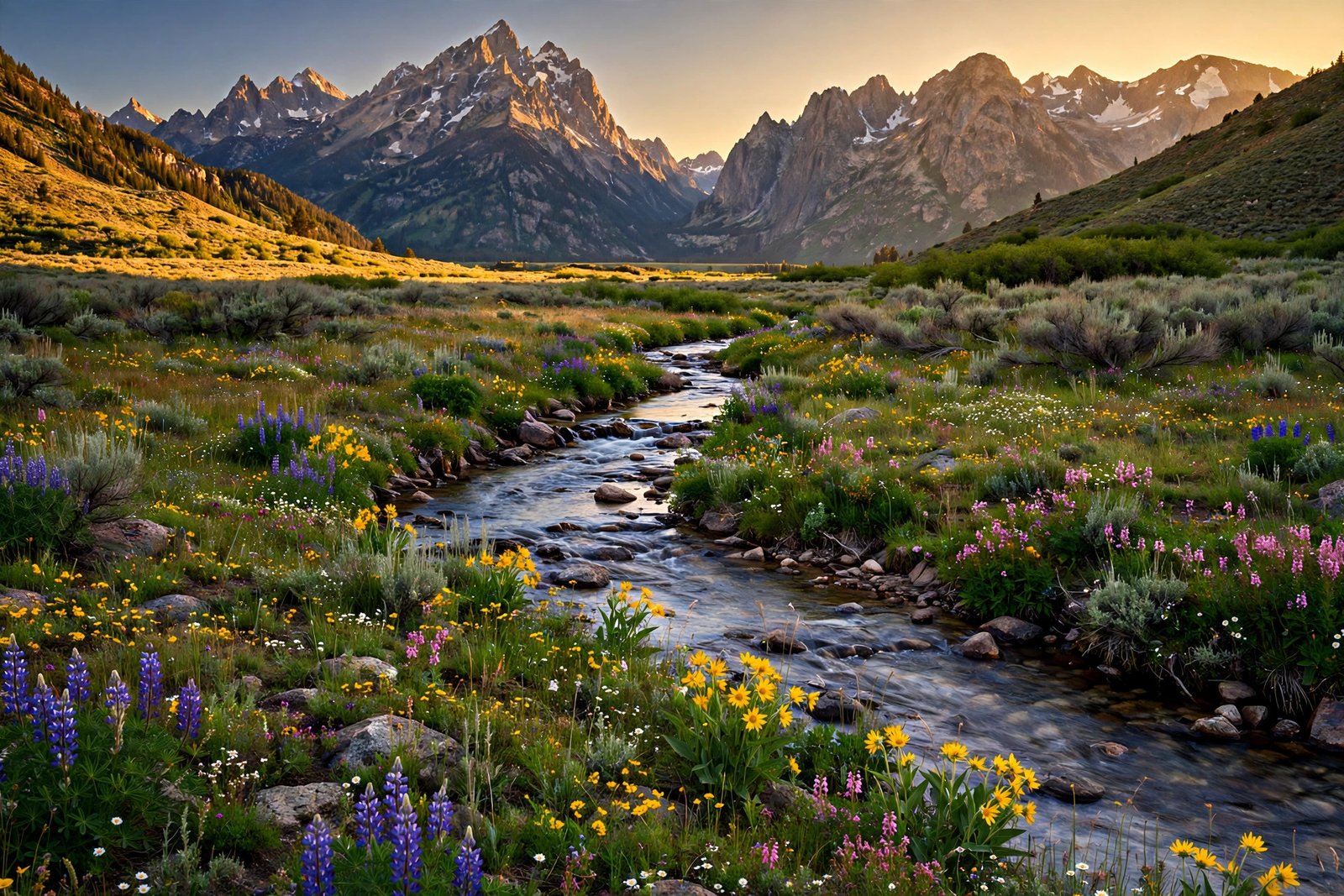
Yellowstone and Grand Teton get the postcards, but some of the most memorable places in the Cowboy State sit far from the famous viewpoints. If you are hunting for hidden gems Wyoming travelers often drive right past, this guide is for you. From wind-carved rock formations and steaming hot springs to ghost towns and high mountain lakes, Wyoming rewards travelers who slow down, take the smaller roads, and leave room for surprises.
Wyoming is the least populous state in the country, and that wide-open feeling is part of its charm. You can drive for miles beneath a huge sky, pass herds of pronghorn, and arrive at a trailhead where you are the only car in the lot. Many hidden gems Wyoming locals recommend are easy day trips from small towns, and the places below are not secrets in the strict sense — locals know them well — but they rarely make the top of a first-time visitor’s list, which is exactly why they feel so special when you find them.
Hidden Gems Wyoming in the Mountains and High Desert
Start in the southeast, where Vedauwoo Recreation Area rises out of the high plains between Laramie and Cheyenne. Its jumbled granite towers and slabs look like a giant’s building blocks, and the area is beloved by climbers, hikers, and picnickers. Short trails wind between the formations, and at sunset the rock glows warm gold. Vedauwoo is easy to reach from the interstate, yet it feels wonderfully removed from it, and it is a perfect first stop on a Wyoming road trip.
Farther north, the Bighorn Mountains offer a cooler, greener kind of escape. Cloud Peak, the range’s highest summit, anchors a wilderness of alpine lakes, wildflower meadows, and granite walls. You do not need to climb the peak to enjoy the range: scenic byways cross the mountains, campgrounds sit beside streams, and day hikes lead to viewpoints and waterfalls. In autumn, the aspen groves turn gold, and the mountain towns of Buffalo and Sheridan make comfortable bases with historic main streets.
For a wilder mountain experience, head to the Wind River Range and Green River Lakes in the west. The lakes, backed by Squaretop Mountain, are one of the most photographed scenes in Wyoming, yet they sit far from the crowds of the national parks. Hikers can follow trails into a wilderness of granite peaks and clear lakes, while anglers and paddlers enjoy the quiet water. The road in is unpaved in places, so take it slowly and check conditions, but the payoff is a landscape that feels almost untouched.
Hot Springs, Canyons, and Unusual Landscapes
Thermopolis, in central Wyoming, is home to Hot Springs State Park, where naturally heated mineral water feeds pools and flows into the Bighorn River. Visitors can soak in the park’s bath house, walk along the river terraces, and watch bison in the park’s pasture. The town itself is small and friendly, with local cafes and a relaxed pace that makes it an ideal overnight stop. The colorful travertine terraces, built up by mineral-rich water over time, are a reminder that Wyoming’s geology is still very much alive.
Sinks Canyon State Park, near Lander, is another natural curiosity worth a detour. Here the Popo Agie River disappears into a cavern in the canyon wall, then reappears downstream in a calm, trout-filled pool known as the Rise. A short, accessible trail connects the two spots, and longer trails climb into the canyon for views and wildlife watching. It is a small park with a big sense of wonder, and a great place to introduce children to geology.
For a grander canyon experience, Bighorn Canyon National Recreation Area straddles the Wyoming-Montana border, with towering cliffs rising above a long reservoir. Boat tours, fishing, and scenic drives reveal a landscape that feels more like the desert Southwest than the Wyoming plains, and wild horses roam parts of the Pryor Mountains nearby. If you love dramatic scenery without the tour buses, Bighorn Canyon deserves a full day. For more wildlife-watching ideas across the country, see our guide on where to see coyotes in the USA.
Hidden Gems Wyoming for History Lovers
Wyoming’s human history is just as fascinating as its landscapes. South Pass City, a preserved gold-mining town in the Wind River foothills, lets you walk streets where prospectors once chased their fortunes. Restored buildings, a general store, and interpretive signs tell the story of the gold rush that briefly filled these hills. Nearby Atlantic City, a smaller former mining settlement, still has a few residents and a frontier feel that is hard to find anywhere else.
At Guernsey State Park in the east, you can see actual wagon ruts carved into sandstone by pioneers traveling the Oregon Trail. Standing beside those deep grooves, it is easy to imagine the long lines of wagons that crossed this country in the 1800s, bound for Oregon and California. The park also offers a reservoir, campgrounds, and a Civilian Conservation Corps-built castle-like picnic shelter, making it a pleasant stop that combines history with a day outdoors.
Fossil Butte National Monument, in the southwest corner of the state, protects one of the world’s most important fossil fish deposits. The visitor center displays beautifully preserved fish, plants, and other creatures from an ancient lake that covered the area millions of years ago, and summer programs let visitors learn how paleontologists work. It is a quiet, thoughtful stop, and a wonderful contrast to Wyoming’s bigger, louder landscapes. History lovers may also enjoy our look at surprising facts about the USA for more stories from the nation’s past.
Deserts, Dunes, and the Open Road
Wyoming’s Red Desert, in the south-central part of the state, is one of the largest unfenced areas in the country and one of its least visited. The Killpecker Sand Dunes, part of this desert landscape, include some of the largest living sand dunes in North America, and they are among the hidden gems Wyoming desert travelers remember most. The area is home to wildlife ranging from pronghorn to wild horses. The desert demands respect: carry water, check road conditions, and let someone know your plans, but travelers who prepare well find a stark, beautiful silence that is increasingly rare.
Boar’s Tusk, a volcanic rock tower rising from the desert floor near the town of Superior, is another landmark of the Red Desert region. Visible from a distance across the sagebrush, it is a striking sight for photographers and a reminder of the volcanic forces that shaped this land. The surrounding desert is also rich in history, from Native American heritage to the trails of early explorers and the Pony Express, and local museums and visitor centers can help you understand the layers of story in this open country.
Road-tripping through Wyoming’s quieter corners is a pleasure in itself. The state’s highways are generally well maintained, services can be far apart, and fuel stations are worth stopping at whenever you see one. A good rule is to fill up when your tank is half empty, carry snacks and water, and download offline maps before you leave the main towns. Cell service can be patchy in the mountains and desert, which is part of the appeal, as long as you plan for it.
Planning a Hidden-Gems Wyoming Road Trip
The best way to see these places is to string several of them into a loop, rather than rushing from one to another. A southeastern loop might pair Vedauwoo with Curt Gowdy State Park, near Cheyenne, where granite outcrops, reservoirs, and trails offer hiking, biking, and fishing close to town. A central loop could combine Thermopolis, Sinks Canyon, and South Pass City, with Lander as a comfortable base. A northern loop might take in the Bighorn Mountains, Bighorn Canyon, and the historic town of Sheridan.
- Choose one region per trip instead of trying to cover the whole state at once.
- Book lodging early in small towns, where rooms are limited and fill up in summer.
- Check road and weather conditions, especially for unpaved routes and mountain passes.
- Carry water, snacks, a paper map, and a basic emergency kit in your vehicle.
- Respect private land: stay on public roads and trails, and leave gates as you find them.
Summer is the most popular season, with warm days and full access to mountain roads, but late spring and early autumn can be just as rewarding, with fewer visitors and beautiful light. Winter travel in Wyoming is possible but serious: storms can close roads quickly, and some high-elevation routes shut for the season. Whatever the season, check forecasts, tell someone your itinerary, and be ready to change plans if the weather turns.
Travel Responsibly in Wild Places
Wyoming’s quiet places stay quiet because visitors treat them well. Stay on marked trails in fragile areas, especially around hot springs terraces and sand dunes, where footprints can damage delicate surfaces. Observe wildlife from a distance, never approach or feed animals, and store food properly when camping in bear country. Pack out everything you bring in, including food scraps, and leave historic sites exactly as you found them: artifacts belong where they lie.
Supporting small towns is another way to travel responsibly. Eat at local cafes, stay in locally owned lodgings, and buy supplies from main-street shops. In many Wyoming communities, tourism income helps keep historic buildings standing and local museums open, so your spending has a direct, visible effect. A friendly conversation with a shopkeeper or park ranger can also lead you to the best local advice, from a trail that is in good shape this week to a cafe that serves an unforgettable slice of pie.
If you enjoy discovering quieter corners of America, you may also like our guide to hidden gems in Nevada, which follows the same spirit of looking beyond the famous names.
Conclusion: Start Exploring Wyoming’s Quiet Side
Wyoming’s famous parks will always be worth a visit, but the state’s quieter corners offer something different: space to breathe, landscapes that surprise you, and stories that linger long after the trip ends. From the granite towers of Vedauwoo to the hot springs of Thermopolis and the ghost-town streets of South Pass City, The hidden gems Wyoming offers reward curiosity and patience. Plan your route, pack wisely, travel gently, and let Wyoming surprise you. Share this guide with a travel partner, pick your first stop, and start exploring the hidden side of the Cowboy State today.