
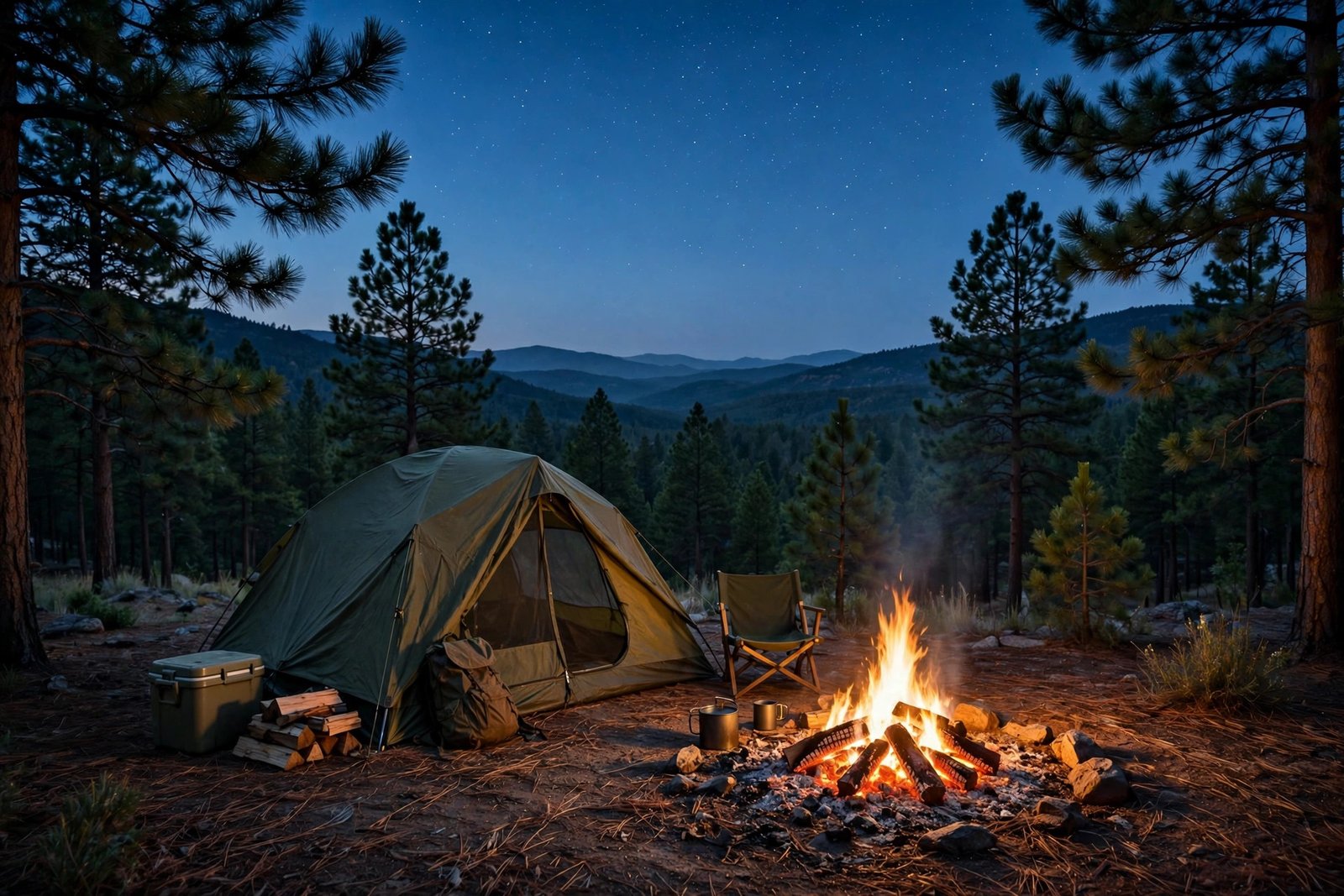
American camping culture is one of the country’s oldest and most beloved traditions. Long before road trips and national park selfies, Americans were heading into the woods with a tent, a fire, and a simple plan: sleep under the stars and wake up somewhere beautiful. Today, that tradition is bigger than ever, from rugged backcountry hikes to luxury glamping tents with real beds and hot showers.
Whether you are planning your first camping trip or you have been pitching tents for decades, this guide explains how camping became such a deep part of American life, what kinds of camping exist today, and how to enjoy the outdoors responsibly. Grab a marshmallow stick and settle in.
The Roots of American Camping Culture
American camping culture began in the 1800s, when writers and naturalists started celebrating the outdoors as a place for rest and renewal. Yellowstone became the world’s first national park in 1872, and the idea of protected public land for everyone to enjoy was a genuinely American invention. Soon, families, scouts, and adventurers began traveling to the mountains, lakes, and forests simply to be outside.
The movement grew in the early 1900s with leaders like President Theodore Roosevelt, an enthusiastic outdoorsman who helped protect millions of acres of public land, and naturalist John Muir, who campaigned to preserve places like Yosemite. During the Great Depression, the Civilian Conservation Corps built campgrounds, trails, and lodges across the country, creating much of the camping infrastructure Americans still use today.
After World War II, camping boomed. Cars became affordable, highways improved, and families loaded up station wagons for summer trips to state and national parks. The Boy Scouts and Girl Scouts made camping a rite of passage for millions of children, and the campfire became a symbol of American family life. That postwar boom shaped the camping tradition we recognize today: affordable, family-friendly, and open to everyone.
American Camping Culture: Tent, RV, and Everything Between
One reason camping stays so popular in America is its range. There is a style of camping for almost every comfort level and budget, and many Americans try several kinds over a lifetime.
- Tent camping: the classic experience. A tent, a sleeping bag, and a campsite in a park or forest. It is affordable and close to nature, and it remains the most common first step into camping.
- RV camping: traveling in a motorhome or towing a camper. RV parks across the country offer hookups for water and electricity, and many retirees spend months on the road, turning camping into a lifestyle.
- Car camping: driving to a developed campground and setting up near your vehicle. It is easy, flexible, and ideal for families with young children.
- Backpacking: carrying everything on your back into the wilderness. Backpackers follow trails like the Appalachian Trail and camp in remote sites far from roads.
- Glamping: glamorous camping in cabins, yurts, safari tents, or tiny houses, often with beds, heating, and even Wi-Fi. Glamping has brought many first-timers into the outdoors who might never have tried a traditional tent.
- Dispersed camping: camping on public land outside developed campgrounds, following local rules. It offers solitude and wide-open space, and it is a favorite of experienced campers.
Each style has its own community, gear, and traditions, but they share the same core idea: stepping away from screens and schedules to enjoy the natural world. That shared idea is the heart of the tradition.
National Parks: The Heart of American Camping Culture
No guide to camping in America would be complete without national parks. The United States now has more than 60 national parks, along with thousands of state parks, national forests, and recreation areas. Together, they offer some of the best camping on Earth.
Great Smoky Mountains National Park, straddling Tennessee and North Carolina, is the most visited national park in the country, known for misty mountains, wildflowers, and black bears. Yellowstone offers geysers, hot springs, and wildlife watching, while Yosemite draws climbers and photographers to its granite cliffs and waterfalls. For desert beauty, campers head to Joshua Tree, Zion, or the Grand Canyon, where night skies are among the darkest in the country.
State parks deserve just as much love. Many offer campgrounds that rival national parks, often with fewer crowds and lower fees. If you are planning a trip, our guide to the best national parks in the USA is a great starting point, and pairing a park visit with an American road trip is a classic way to see several parks in one journey. Hikers may also enjoy learning about the Appalachian Trail, one of the most famous long-distance trails in the world.
Campfire Food and Traditions
Food is a huge part of American camping culture. Cooking over a fire or a camp stove turns simple meals into memories, and some campfire foods are traditions in their own right.
The most famous is the s’more: a toasted marshmallow and chocolate sandwiched between graham crackers. The recipe appeared in a Girl Scout handbook in the 1920s under the name “Some More,” and it has been a campfire staple ever since. Other classics include foil-packet dinners cooked in the coals, hot dogs roasted on sticks, cast-iron skillet breakfasts, and Dutch oven stews.
Beyond food, camping traditions include campfire stories, stargazing, fishing at dawn, and the simple ritual of watching the fire burn down at night. For many families, these rituals matter more than the destination. Ask an American adult about their favorite childhood memory, and there is a good chance it involves a campfire.
Camping Etiquette and Leave No Trace
As camping grows more popular, good etiquette matters more than ever. Camping in America has a strong tradition of respecting both nature and fellow campers, summed up in the Leave No Trace principles developed by outdoor educators. The core ideas are simple:
- Plan ahead and prepare, including checking fire rules and weather.
- Camp on durable surfaces and in established sites where required.
- Pack out all trash, including food scraps, and leave what you find.
- Keep campfires small, use existing fire rings, and make sure fires are completely out.
- Respect wildlife by keeping your distance and storing food properly.
- Be considerate of other visitors by keeping noise down, especially at night.
Following these principles keeps campgrounds beautiful and safe for the next family. It is also part of what makes camping in America special: the idea that public land belongs to everyone, so everyone shares the responsibility of caring for it.
Camping Through the Seasons in America
One of the great strengths of camping in the United States is that there is always somewhere in season. Seasonal variety is part of what keeps American camping culture fresh year after year, and many campers plan their whole calendar around it.
Spring is wildflower season in much of the country. Campers head to the Great Smoky Mountains for blooming valleys, to Texas hill country for bluebonnets, and to the desert Southwest before the summer heat arrives. Spring campgrounds are often quieter than summer ones, though rain and mud are part of the deal, so pack accordingly.
Summer is peak camping season, especially for families with school-age children. Lakes, beaches, and mountain campgrounds fill up fast, and reservations are essential in popular parks. This is the season for swimming holes, long evenings by the fire, and classic road-trip camping across several states.
Fall may be the finest camping season of all. New England and the Blue Ridge Mountains draw leaf-peepers from around the world, and cooler nights make campfires even better. Fall is also a favorite season for experienced campers, because crowds thin out and wildlife is active.
Winter camping is not for everyone, but it has devoted fans. Florida state parks and the deserts of Arizona and Southern California offer mild winter camping, while hardy campers in the North try snow camping with specialized gear. Wherever you go, check winter road closures and pack extra warmth.
How to Plan Your First Camping Trip
If you have never camped before, start simple. Choose a developed campground close to home, stay one night, and borrow gear if you can. You do not need expensive equipment to enjoy your first trip, and a short, easy outing will teach you more than any guide.
A basic checklist for beginners includes:
- A tent, sleeping bag, and sleeping pad suited to the season.
- A camp stove or firewood, plus food, water, and a cooler.
- A headlamp or flashlight, sunscreen, insect repellent, and a first-aid kit.
- Layers of clothing, rain gear, and sturdy shoes.
- A reservation, since popular campgrounds often book up weeks or months ahead.
Book through official park reservation systems, check the campground’s rules about pets and fires, and tell someone your plans if you are heading somewhere remote. Most importantly, give yourself permission to be a beginner. Every experienced camper once fumbled with their first tent, and that is part of the fun.
Conclusion: Why Americans Keep Coming Back to the Campfire
American camping culture endures because it offers something modern life rarely does: quiet, simplicity, and time together without distractions. A night in a tent reminds us that we need far less than we think, and that the best views in the country are free to anyone willing to drive a little farther and walk a little deeper.
So pick a park, pack a bag, and plan your next trip. Share this guide with a friend who has never camped before, leave a comment with your favorite campground, and keep exploring the beautiful places that make America worth celebrating.