
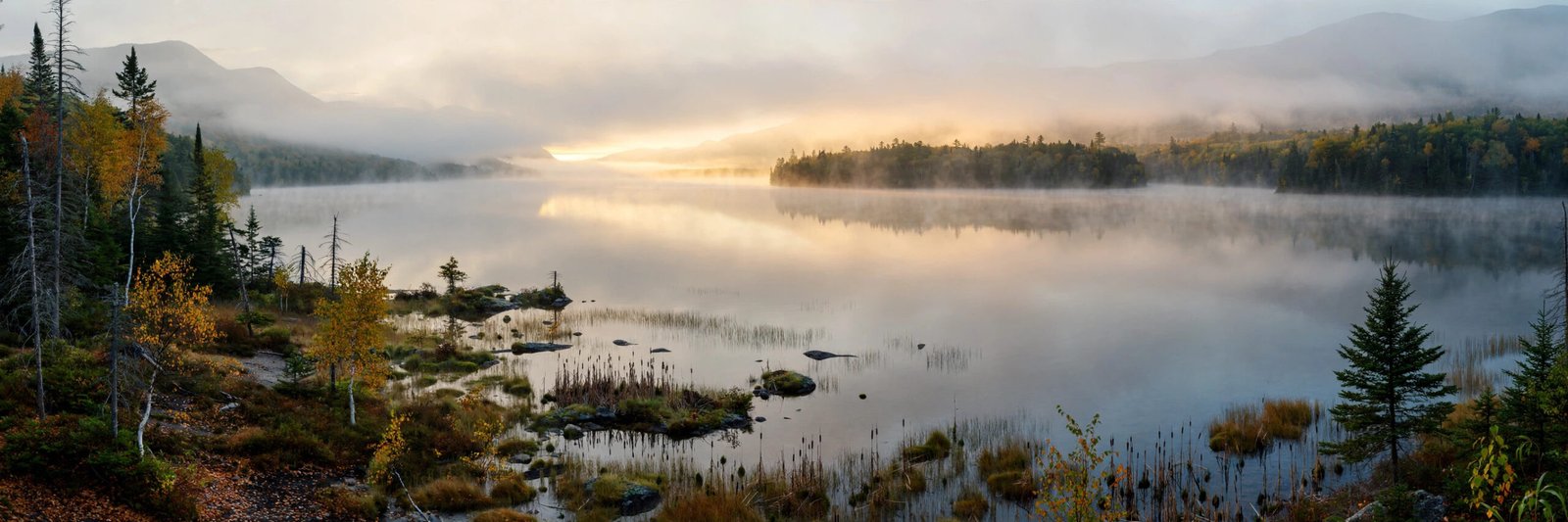
On a calm morning on Lake Champlain, when the mist hangs low over the water and the Adirondacks fade into a soft blue haze, it is easy to understand why people have believed in a monster here for centuries. The champ lake champlain monster legend tells of a large, serpent-like creature that rises from the deep lake between Vermont and New York, glimpsed by fishermen, ferry passengers, and lakeside families. No one has ever captured it, and no scientist has ever confirmed it exists, yet the stories keep coming, generation after generation, and that is exactly what makes this legend so enduring.
Known affectionately as Champ, the creature is often described as something like a small plesiosaur: a long neck, a humped back, and a body somewhere between a snake and a large aquatic animal. Descriptions vary, as eyewitness stories always do, but the heart of the tale stays the same. Something large and unexplained lives in Lake Champlain, and every so often, someone sees it. Whether you arrive as a believer, a skeptic, or simply a curious traveler, the legend is a wonderful reason to explore one of the most beautiful lakes in the United States.
The Champ Lake Champlain Monster Legend Begins in Native Stories
Long before European settlers arrived, the Indigenous peoples of the Lake Champlain region told stories of a large creature in the lake. The Abenaki and Iroquois peoples, who lived around the lake and traveled its waters for fishing, trade, and travel, passed down accounts of a horned serpent or great water creature. In these traditions, the creature was part of the natural and spiritual landscape, not a sideshow attraction. It was something to be respected, much like the lake itself: powerful, unpredictable, and not to be taken lightly.
These early stories matter because they show that the Champ legend did not begin as a modern invention or a tourist gimmick. It grew out of a much older relationship between people and this lake. Lake Champlain is long, deep, and often dark, with cold water and sudden weather changes. For people traveling in canoes, a large sturgeon breaking the surface, a line of waves, or a floating log could easily look strange and startling. Over time, such moments may have blended with storytelling traditions to form the creature we now call Champ. Folklore researchers point out that this is how many lake monster legends develop: a real landscape, real experiences, and stories that grow richer with each retelling.
Samuel de Champlain and the 1609 Account
The lake takes its name from the French explorer Samuel de Champlain, who explored the region in 1609. According to the legend, Champlain himself reported seeing a strange creature in the lake during that expedition. The story goes that he described a serpent-like animal, roughly twenty feet long, with a horse-like head and a thick body. This account is often repeated in books and articles about Champ, and it gives the legend a famous historical anchor.
Here, honesty matters. Historians note that Champlain’s own journals describe fish and other natural life in the region, and the famous monster description is not found in his writings in the form that popular retellings suggest. The 1609 sighting is best understood as part of the legend, not as a verified historical record. That distinction does not make the story less interesting. Legends often attach themselves to famous names and dates, and Champlain’s real journey up the lake in 1609 gives the story a genuine historical setting. The lake, the explorer, and the journey were all real. The monster remains unproven, and that is precisely the line between history and folklore that visitors should keep in mind.
The Champ Lake Champlain Monster Legend in the 1800s
By the 1800s, newspaper reports began to carry Champ sightings to a wider audience. One of the most famous episodes dates to 1883, when a man named Clinton County Sheriff Nathan H. Mooney reportedly claimed to have seen and even shot at a large creature in the lake. According to the story, the animal was long, with a head like a snake and a body that rose and fell in the water. The tale spread quickly, and it helped turn Champ from a local story into a regional curiosity.
That same year, showman P. T. Barnum reportedly offered a large reward for the creature, dead or alive. Whether Barnum was serious or simply enjoying the publicity is still debated, but the offer made headlines and drew even more attention to the lake. This pattern would repeat itself for more than a century: a sighting, a newspaper story, a burst of excitement, and then a quiet period until the next report. Through it all, the lake kept its mystery. Steamboats and ferries crossed it daily, fishermen worked its waters, and yet the creature, if it existed, never stayed still long enough to be examined.
Other nineteenth-century reports described Champ in similar terms: a dark, humplike shape moving against the current, a long neck rising above the surface, or a series of humps like a line of barrels. Skeptics offered natural explanations for many of these sightings, including large fish, otters swimming in a line, floating debris, and waves caused by boats. Believers answered that some witnesses were experienced boaters who knew the lake well and would not mistake a log for a living animal. That friendly argument between skeptics and believers is still going on today, and it is part of what keeps the legend alive.
The Mansi Photograph of 1977
The most famous piece of evidence in the Champ story is a photograph taken in 1977 by Sandra Mansi. According to her account, she was visiting the lake with her family when she saw a long-necked creature rise from the water near the shore. She grabbed her camera and took a single photograph before the animal slipped back below the surface. The image shows a dark, curved shape emerging from the water, with what appears to be a neck and a head.
The Mansi photograph has been examined, debated, and reproduced countless times. Supporters say it is the clearest image of Champ ever captured and point out that Mansi had no obvious reason to fake it. Skeptics suggest the shape could be a floating log, a tree root, or another ordinary object caught at a suggestive angle. The photograph has never been definitively proven or disproven, and that uncertainty is typical of lake monster evidence. A single blurry image, taken in a moment of excitement, cannot settle a question like this. But it can keep people looking, and for nearly fifty years, people have done exactly that. For more on how American monster legends grow, see the Bigfoot legend explained and the Mothman legend explained, two stories that followed a similar path from local tale to national fascination.
What Scientists Say About Champ
Scientists who have studied Lake Champlain are generally skeptical that a large unknown animal lives there. The lake is big, but it is also well traveled and well studied. A breeding population of large animals would need food, mates, and a way to remain hidden for centuries, and no bones, carcasses, or clear DNA evidence have ever been found. Researchers also note that many reported Champ sightings match known animals and natural phenomena. Lake sturgeon, which can grow very large and look prehistoric, swim in the lake. Otters sometimes swim in a line, creating the illusion of a single long body. Waves, logs, and boat wakes can all create strange shapes on the water, especially at a distance or in poor light.
None of this proves that every witness was mistaken, and scientists are careful to say so. Eyewitness testimony is real evidence of an experience, even when the explanation turns out to be ordinary. What science has not found is evidence of a new species. Until such evidence appears, Champ belongs in the category of folklore: a wonderful, vivid, and culturally important story, but not a confirmed animal. That is not a dismissal, and it is why the champ lake champlain monster legend still matters. Folklore tells us how people understand their landscape, what they fear, what they hope for, and what they find mysterious about the natural world. Lake Champlain’s legend says a great deal about the lake itself: its size, its depth, its history, and the way it captures the imagination.
Where to Look for Champ Today
If you want to try your own Champ-spotting, the best approach is to enjoy the lake and keep your eyes open. The creature, if it exists, has been reported from many parts of the lake, but a few places are especially associated with the legend:
- Burlington, Vermont, the largest city on the lake, with a lively waterfront, ferry service, and wide views across the water.
- Port Henry, New York, on the western shore, where historic reports and local lore run deep.
- Bulwagga Bay, near Port Henry, a spot often mentioned in Champ stories.
- Plattsburgh, New York, a historic lakeside city with marinas, beaches, and easy access to the water.
- Grand Isle and the Lake Champlain Islands in Vermont, quiet, scenic, and surrounded by open water on all sides.
- Chimney Point and Crown Point, where the lake narrows and history meets the shoreline.
The best times to watch are calm mornings and evenings, when the water is flat and anything breaking the surface stands out. Bring binoculars, a camera, and patience. Most of all, enjoy the lake for what it certainly is: a beautiful, historic, and ecologically rich place, home to real wildlife including bald eagles, osprey, and lake sturgeon. If you are interested in real wildlife watching, read where to see bald eagles for tips that work on Lake Champlain too.
Planning a Lake Champlain Monster Hunt
A trip built around the champ lake champlain monster legend is easy to plan and fun for all ages. Start in Burlington, where you can walk the waterfront, ride the ferry to Port Kent, New York, and take in the full sweep of the lake. Visit the Lake Champlain Maritime Museum in Vergennes, Vermont, to learn about the lake’s real history, from Native peoples and early explorers to steamboats and shipwrecks. Explore the lake by kayak or boat tour, hike the shoreline trails, and stop in small lakeside towns for local food and local stories. Many shops and restaurants around the lake embrace the Champ theme with good humor, and asking locals about their own Champ stories is part of the fun.
Keep your expectations honest and your sense of wonder intact. You will almost certainly not see a monster, and that is fine. What you will see is a stunning lake, framed by two mountain ranges, dotted with islands, and steeped in American history. The legend is the invitation. The lake itself is the reward. Whether Champ is a real animal, a trick of the light, or a story that grew from centuries of human imagination, it has given Lake Champlain something priceless: a mystery that brings people to its shores, year after year, to look out over the water and wonder.
Why the Legend Endures
Champ endures because the story sits at the meeting point of nature, history, and imagination. It connects Native storytelling traditions, the age of exploration, the newspaper era, and the modern age of photography and social media. It gives a beautiful lake a mascot, a mystery, and a reason for strangers to swap stories on a ferry deck. And it reminds us that even in a mapped, photographed, and well-studied world, there are still places that feel wild enough to hide a secret.
So plan your visit, bring your binoculars, and spend a quiet morning watching the water. Look for Champ if you like, but do not miss the lake itself. Share your photos, tell your own story, and become part of a legend that has been unfolding on Lake Champlain for centuries. The next chapter of the champ lake champlain monster legend might just be yours.