
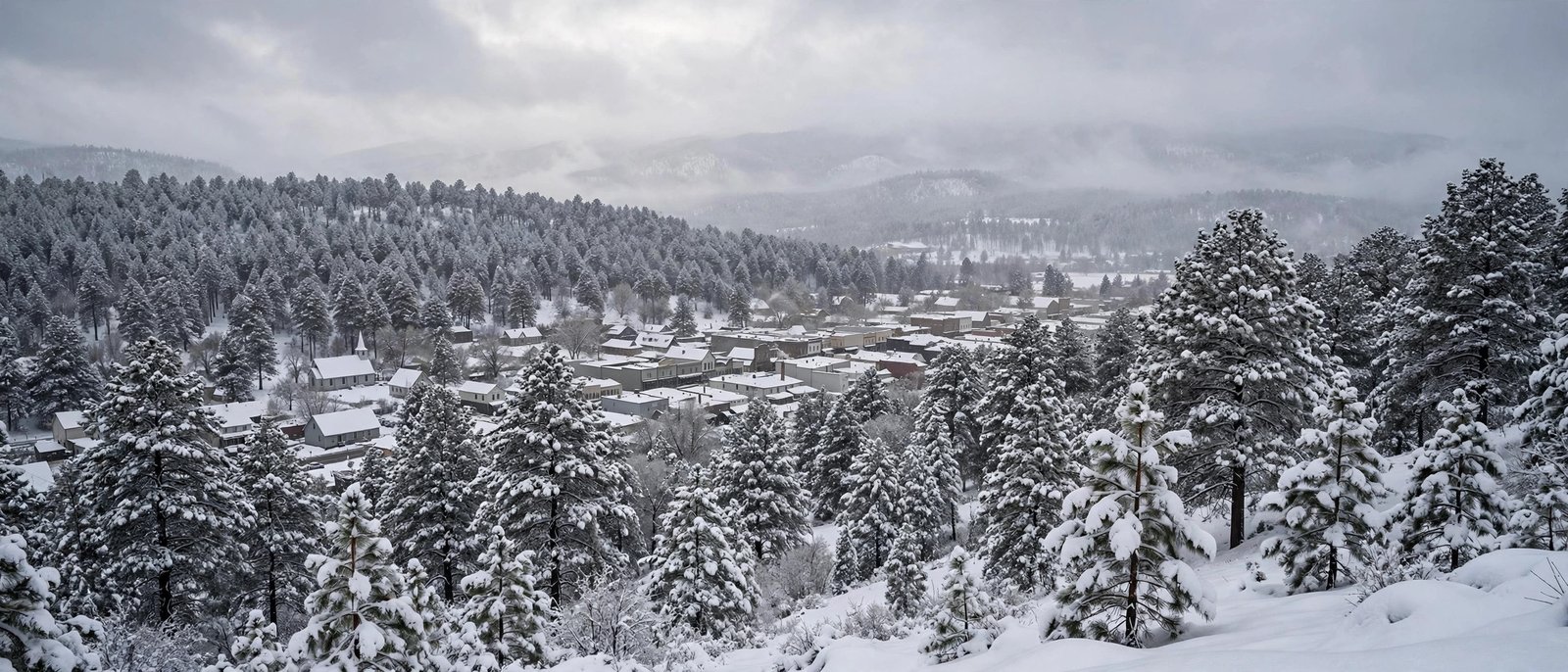
Winter is coming — and this year, it may look very different from what you expect. The NOAA winter forecast 2026, released on October 15, 2026, points to a warmer and wetter winter across much of the United States, driven by a very strong El Niño in the Pacific Ocean. For snow lovers, travelers, farmers, and families planning holiday trips, this outlook is already sparking conversations across the country.
The NOAA winter forecast 2026 reminds us that El Niño winters are famous for shaking up normal weather patterns. Some regions that usually freeze may stay mild. Other areas that are normally dry could see rounds of rain and mountain snow. And just because the season leans warm overall does not mean there will be no cold snaps or snowstorms. A warmer, wetter winter can still deliver dramatic weather — sometimes all in the same week.
In this guide, we break down what NOAA’s outlook actually says, how El Niño works, what a warmer and wetter pattern typically means region by region, and how you can prepare your home, car, travel plans, and wardrobe for the season ahead. Think of this as your plain-language guide to the winter outlook — no hype, no invented numbers, just what the forecast means and what to do about it.
What the NOAA Winter Forecast 2026 Says
Each fall, NOAA’s Climate Prediction Center releases its official winter outlook for the United States. The outlook does not predict the weather on any single day. Instead, it shows where temperatures and precipitation are more likely to be above, near, or below normal across December, January, and February. It is a seasonal guide, not a daily forecast.
This year’s outlook leans warm and wet for much of the country, with a very strong El Niño as the main driver. In general, El Niño winters tend to favor milder temperatures across the northern United States, wetter conditions across the southern United States, and active storm systems that can bring heavy rain to the South and heavy snow to higher mountain areas. That broad pattern is the headline of this winter’s outlook.
It is important to understand what this outlook does and does not mean. A warmer-than-normal winter does not mean there will be no snow. A wetter-than-normal winter does not mean it will rain every day. Seasonal outlooks describe tendencies over three months, and within that period there can still be sharp cold outbreaks, powerful storms, and quiet stretches of sunshine. The outlook gives you the odds, not a guarantee.
NOAA forecasters build this outlook from many sources, including ocean temperatures, atmospheric patterns, climate models, and decades of past El Niño winters. When many lines of evidence point in the same direction, confidence in the outlook grows. This year, the very strong El Niño signal is a major reason the outlook leans so clearly toward warm and wet.
How the NOAA Winter Forecast 2026 Was Made
To understand the forecast, it helps to understand El Niño. Normally, trade winds blow warm surface water toward the western Pacific, while cooler water rises near South America. During El Niño, those trade winds weaken, and warm water spreads eastward across the tropical Pacific. That warm water changes where clouds and storms form, and those changes ripple through the global atmosphere.
One of the biggest effects is on the jet stream, the fast-moving river of air high above Earth that steers storms. During a strong El Niño, the southern branch of the jet stream often becomes more active, sending storm systems across the southern United States. At the same time, the northern jet stream can shift in ways that allow milder Pacific air to flow into the northern United States more often than usual.
Forecasters also look at other climate patterns, including conditions in the Arctic, soil moisture, snow cover in fall, and long-term warming trends. No single factor decides the winter. Instead, NOAA blends ocean observations, computer models, and historical comparisons to estimate which outcomes are most likely. The result is a seasonal outlook that helps communities, businesses, and families plan ahead.
It is also worth noting that El Niño events vary. A very strong El Niño does not produce the exact same winter twice. Local geography, timing of storms, and short-term weather patterns all matter. That is why NOAA updates its forecasts through the season and why local National Weather Service forecasts remain essential as winter unfolds.
What Is El Niño and Why Does It Matter This Winter?
El Niño is part of a natural climate cycle known as the El Niño-Southern Oscillation, or ENSO. It swings between three phases: El Niño (warmer than normal Pacific waters), La Niña (cooler than normal Pacific waters), and neutral conditions in between. These phases typically last many months and can influence weather around the world.
During El Niño winters, the United States often sees a distinctive pattern. The South tends to be wetter, with more storms crossing from California through Texas and the Southeast. The North often leans warmer, especially in the Upper Midwest, the Great Lakes, and New England. The Pacific Northwest, by contrast, can lean drier and warmer than normal in some El Niño winters, though individual storms can still bring heavy rain and mountain snow.
For skiers and snowboarders, the NOAA winter forecast 2026 is a mixed blessing. Southern Rockies and Sierra Nevada mountains may benefit from active storm tracks, while some northern resorts may start the season more slowly. For farmers, a wetter winter in the South can help refill reservoirs and soil moisture, while a drier Northwest can raise concerns about water supplies for the following summer.
El Niño also affects energy, travel, and daily life. Warmer winters can lower heating costs in northern states but increase flood risks in southern states. Wetter winters can ease drought in some areas while creating mudslides, road closures, and delays in others. Understanding these trade-offs helps you prepare for the season realistically.
What a Warmer, Wetter Winter Typically Means Region by Region
Every winter is unique, and regional details matter. The following is a general guide to what warmer and wetter El Niño patterns often mean across the United States — not a promise for any single city or week.
The Northeast and New England
In the Northeast, El Niño winters often lean milder than normal, especially in the early part of the season. That does not mean a snow-free winter. Coastal storms, known as nor’easters, can still bring heavy snow, strong winds, and coastal flooding. Cities from Washington, D.C., to Boston should still prepare for winter storms, even in a warmer-leaning season.
For travelers, a milder pattern can mean fewer bitter-cold days for sightseeing in New York City, Philadelphia, or Boston, but also unpredictable swings between mild rain and sudden snow. If you are planning a winter trip to New England, pack layers and check forecasts often. Ski areas in Vermont, New Hampshire, and Maine may see variable conditions, with good snow when cold air and storm tracks line up.
The Southeast and Gulf Coast
The Southeast and Gulf Coast are often among the wettest regions during El Niño winters. More frequent storm systems can bring rounds of rain, thunderstorms, and occasional severe weather. Florida, Georgia, Alabama, Mississippi, Louisiana, and the Carolinas should expect a more active storm pattern than in a typical winter.
For residents, this means paying attention to flood risks, especially in low-lying areas and near rivers. It also means keeping gutters clear, checking sump pumps, and having a plan for power outages during storms. On the bright side, wetter winters can help ease drought and support water supplies, and outdoor activities may benefit from milder temperatures between storms.
The Midwest and Great Lakes
In the Midwest and Great Lakes, El Niño winters often lean warmer than normal, with less persistent deep cold. That can mean lower heating bills, fewer extreme-cold days, and a shorter season of lake-effect snow in some areas. But lake-effect snow can still be intense when cold air crosses the relatively warm Great Lakes, producing narrow bands of very heavy snow.
Drivers in states like Ohio, Michigan, Indiana, Illinois, Wisconsin, and Minnesota should still prepare for ice, snow, and rapid changes. A warm-leaning winter can create freeze-thaw cycles that make roads icy in the morning and wet by afternoon. Winter tires, emergency kits, and flexible travel plans remain essential.
The Plains and Texas
The Southern Plains, including Texas, Oklahoma, and Kansas, often see wetter conditions during El Niño winters. That can mean more rain, more cloudy days, and occasional ice or snow when cold air dips south. In Texas, where winter weather can swing dramatically, a wet pattern can bring both drought relief and flash flooding.
Northern Plains states like the Dakotas and Nebraska may lean warmer than normal, but Arctic outbreaks can still bring dangerous cold and blizzards. Ranchers, farmers, and travelers should stay alert to rapid weather changes, which are common in the Plains even in milder winters.
The Mountain West and Southwest
The Mountain West is one of the most interesting regions in an El Niño winter. Higher elevations often receive substantial snow when storm tracks are active, which is good news for ski resorts and for water supplies that depend on snowpack. Lower elevations and valleys may see more rain than snow, with milder temperatures between storms.
In the Southwest, including Arizona and New Mexico, El Niño winters often bring wetter conditions that can help ease drought and support desert wildflowers in spring. However, heavy rain can also trigger flash floods in canyons and burn-scar areas. Hikers and drivers should check weather alerts before heading into remote areas.
The West Coast and Pacific Northwest
California often benefits from El Niño winters, with an active storm track bringing rain and mountain snow to the state. That can help reservoirs and reduce wildfire risk, though it can also bring flooding, mudslides, and road closures in vulnerable areas. Residents in Southern California should be especially aware of heavy-rain risks during strong El Niño events.
The Pacific Northwest, by contrast, can lean warmer and drier than normal in some El Niño winters, with less rain and snow than usual. Still, powerful Pacific storms can bring heavy rain, wind, and mountain snow at times. The key word is variability — even a drier-leaning season can include major storms.
How to Prepare for a Warmer, Wetter Winter
Preparing for this winter is less about buying snow gear and more about being ready for changeable weather. Here are practical steps for homes, cars, travel, and daily life.
- Home: Clean gutters and downspouts, check your roof for leaks, test your sump pump, and seal drafts around windows and doors. If you live in a flood-prone area, know your evacuation routes and keep important documents in a waterproof container.
- Car: Keep an emergency kit with a flashlight, blankets, water, snacks, phone charger, and jumper cables. Check tires, brakes, wipers, and antifreeze. In wet regions, make sure your tires have good tread for rain-soaked roads.
- Travel: Build flexibility into winter trips. Book refundable options when possible, allow extra time for delays, and check forecasts for both your departure and destination. Mountain passes can close quickly during storms.
- Health: Wet, changeable winters can bring colds, flu, and seasonal allergies. Keep vaccinations up to date, wash hands often, and dress in layers that you can adjust as temperatures swing.
- Outdoor plans: If you love fall and winter travel, check seasonal guides like our best fall foliage destinations in the USA for autumn trips and our best Halloween destinations in the USA for spooky-season adventures before winter fully arrives.
For families, the simplest preparation is a weather mindset. Teach children to check the forecast before school, dress in layers, and keep rain gear handy. For pet owners, remember that wet, cold weather can be hard on older animals — keep outdoor time shorter during storms and dry paws after walks.
What This Winter Means for Travel, Holidays, and Outdoor Fun
A warmer, wetter winter can actually be good news for many travelers. Holiday travel may see fewer extreme-cold delays in northern cities, though rain and storms can still cause flight and road delays. Cities with outdoor holiday markets, light displays, and festivals may enjoy more comfortable evenings, especially in the South and Mid-Atlantic.
Ski season is the big question for many readers. In a strong El Niño winter, southern and central mountain resorts often have a good chance of healthy snowfall, while northern resorts may depend more on the timing of cold air. The best strategy is to watch snow reports, book trips with flexible cancellation, and consider destinations with higher elevations and snowmaking.
National parks also shine in winter. Parks like Death Valley, Joshua Tree, Big Bend, and Saguaro are often at their best in cooler, wetter winters, with comfortable hiking weather and desert blooms. In contrast, northern parks like Yellowstone and Glacier offer stunning snow-covered scenery but require serious winter preparation. Always check park alerts before visiting.
If you are planning a winter road trip, remember that wet roads and mountain passes demand extra caution. Carry chains where required, keep your fuel tank at least half full in remote areas, and download offline maps in case cell service drops. A little planning turns a potentially stressful drive into a memorable adventure.
How to Stay Updated All Winter
Seasonal outlooks are a starting point, not the final word. Weather evolves week by week, and the best way to stay safe is to follow updates from NOAA and your local National Weather Service office. Weekly and monthly outlooks, storm warnings, and flood watches will give you far more detail than any seasonal map.
Here are simple habits that help:
- Check the 7-day forecast every Sunday and before any trip.
- Sign up for local weather alerts on your phone.
- Follow your local National Weather Service office for warnings.
- Recheck mountain and coastal forecasts before outdoor activities.
- Keep a basic emergency kit at home and in your car all season.
It is also wise to be skeptical of viral weather posts on social media. Dramatic maps and extreme snowfall predictions often go viral without context. Trust official sources, and remember that a single model run is not a forecast. NOAA’s outlook is based on many models and decades of evidence — not one eye-catching image.
Conclusion: A Winter to Watch, Not to Fear
The NOAA winter forecast 2026 suggests a season shaped by a very strong El Niño — warmer and wetter than normal for much of the country, with active storms in the South, milder air in the North, and plenty of variability everywhere. It is a winter to watch closely, prepare for thoughtfully, and enjoy fully.
Whether you are dreaming of ski trips, planning holiday travel, or simply wondering what to wear next month, the best approach is the same: stay informed, stay flexible, and stay ready for change. Winter has a way of surprising us, even in a warmer-leaning year.
Want more seasonal travel inspiration? Explore our best fall foliage destinations in the USA and our best Halloween destinations in the USA before the season turns, and keep following Beauty of USA for winter guides, travel ideas, and weather explainers all season long. Share this outlook with a friend who is planning a winter trip — they will thank you.