
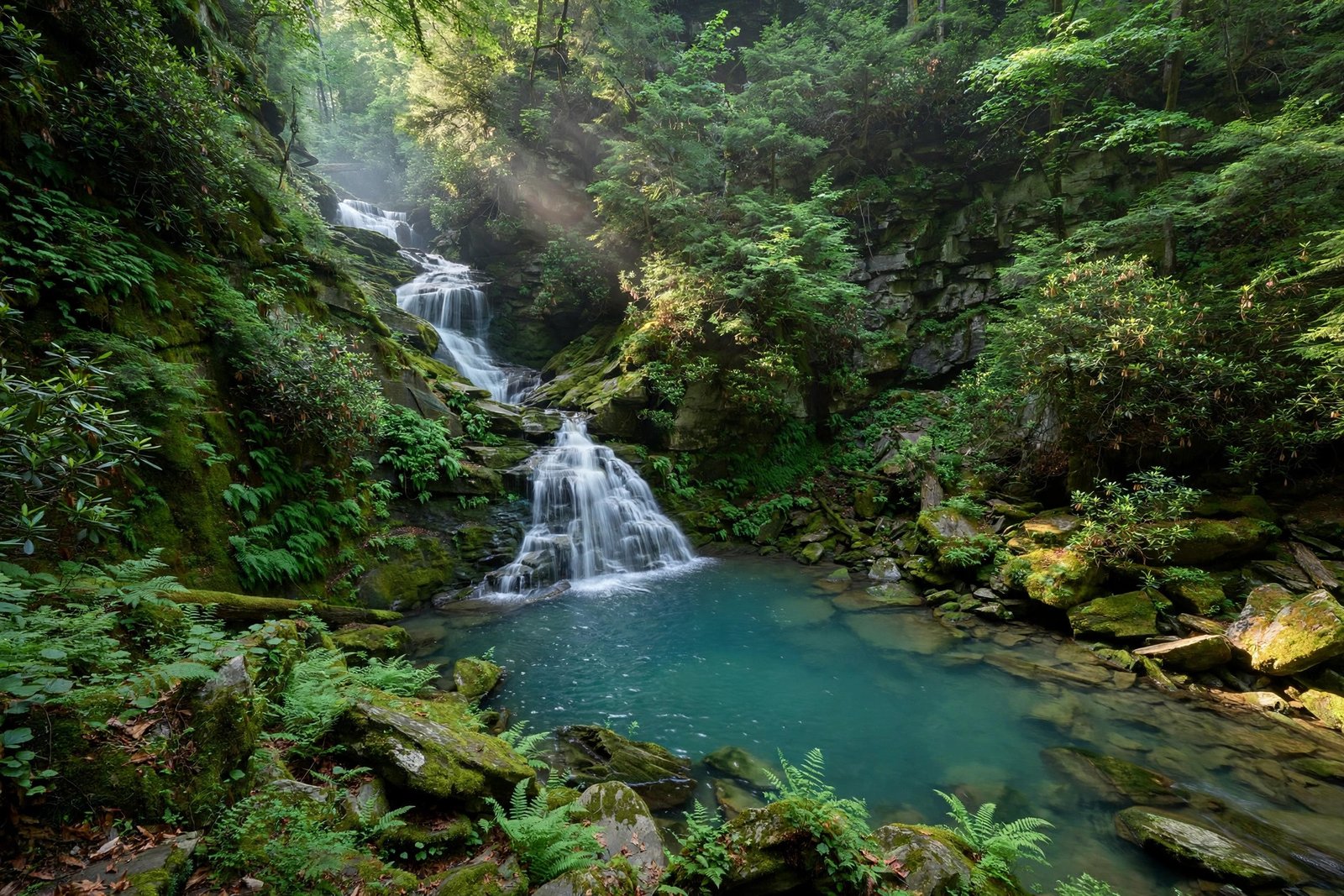
West Virginia is often called the Mountain State, and the name fits. Ridges, rivers, and deep forests cover much of the state, and many of its most beautiful places sit quietly off the main highways, waiting for travelers who are willing to slow down. This guide to hidden gems in West Virginia will take you beyond the well-known overlooks to waterfalls, small towns, historic sites, and mountain trails that many visitors miss.
What makes West Virginia special is not just one famous park or viewpoint. It is the way scenery, history, and small-town life come together. You can watch a sunrise over a river gorge, walk through a historic railroad town, swim beneath a waterfall, and eat dinner in a family-run restaurant, all in the same day. The places below offer that mix, and each one shows a different side of the state.
Why Hidden Gems in West Virginia Deserve a Closer Look
Travelers often pass through West Virginia on the way to somewhere else, without realizing how much is hidden just off the interstate. The state has no large coastal city and no single landmark that dominates travel guides, which means its rewards go to people who explore on purpose. That is good news for visitors who prefer quiet trails, uncrowded viewpoints, and towns where locals have time to talk.
West Virginia’s landscape also makes exploration rewarding. The Appalachian Mountains run through the state, creating deep gorges, high ridges, and winding rivers. The New River, which is one of the oldest rivers in North America in geological terms, carved the New River Gorge over millions of years. Forests cover a large share of the state, and state parks protect waterfalls, caves, and mountain lakes that are easy to enjoy without long hikes.
History adds another layer. Coal mining, railroads, timber, and early frontier settlement all shaped West Virginia, and many small towns still carry that story in their main streets, museums, and historic buildings. Visiting these places with respect for local communities, and learning a little of their history before you go, makes the trip richer for everyone.
How to Explore the Hidden Gems in West Virginia
A road trip is the best way to see West Virginia’s hidden places, because many of them are spread across rural counties. Plan your route by region rather than trying to cover the whole state in one weekend. The New River Gorge area in the south, the Potomac Highlands in the east, and the Monongahela National Forest in the central-east each deserve at least a day or two.
Check practical details before you leave. Cell service can be limited in mountain valleys, so download offline maps and save directions. Some forest roads are gravel or seasonal, and river conditions change with rain, so check official park and forest websites for closures and safety notices. Bring water, sturdy shoes, and layers, since mountain weather can change quickly, even in summer.
Finally, travel gently. Stay on marked trails, respect private land, and leave natural and historic sites as you found them. Small towns and parks depend on visitors who treat them well, and a little care helps keep these places beautiful for the next traveler.
New River Gorge National Park and Preserve
New River Gorge became a national park in late 2020, and it remains one of West Virginia’s greatest treasures. The New River flows through a deep gorge, with the famous New River Gorge Bridge spanning high above it near Fayetteville. The bridge itself is a striking sight, and the viewpoints below it offer sweeping views of the river and forested cliffs.
Beyond the bridge, the park offers hiking, whitewater rafting, rock climbing, and quiet riverside trails. The Endless Wall Trail is a popular moderate hike with overlooks above the gorge, while the area around Sandstone Falls, at the southern end of the park, offers boardwalks and river views that are easier to reach. The town of Fayetteville makes a good base, with restaurants, outfitters, and local shops.
Even within a national park, quiet corners exist. Early mornings and weekdays are usually calmer at popular overlooks, and trails away from the main visitor areas can feel peaceful even in peak season. If you are new to rafting, book with a licensed local outfitter and follow safety guidance for river conditions.
Babcock State Park and Glade Creek Grist Mill
Babcock State Park, in Fayette County, is home to one of the most photographed scenes in West Virginia: the Glade Creek Grist Mill, a working mill built from parts of several historic mills, standing beside a creek with boulders and forest around it. In autumn, when the leaves turn, the scene is especially beautiful, and photographers arrive early for the soft morning light.
The park itself offers hiking trails, a lake for fishing and paddling, cabins, and a campground. Trails range from easy lakeside walks to steeper forest routes, so families and experienced hikers can both find something suitable. The mill is accessible by a short walk from a parking area, though the path includes steps and uneven ground, so wear sturdy shoes.
Seneca Rocks and the Potomac Highlands
Seneca Rocks, in Pendleton County, is a dramatic quartzite fin rising above the North Fork South Branch Potomac River. It is famous among rock climbers, but non-climbers can enjoy it too. A trail from the Seneca Rocks Discovery Center climbs to an observation platform with views of the rocks, the river valley, and the surrounding Allegheny Mountains.
The hike to the overlook is steep in places, about one and a half miles each way, so allow plenty of time and bring water. The Discovery Center, operated by the U.S. Forest Service, offers exhibits and information about the area’s geology and history. Nearby, the towns of Seneca Rocks and Petersburg provide food, lodging, and access to other Potomac Highlands sights, including Spruce Knob, the highest point in West Virginia, and the quiet roads of the surrounding national forest.
Dolly Sods Wilderness
Dolly Sods, in the Monongahela National Forest, feels unlike anywhere else in the eastern United States. Wind-shaped spruce trees, open heathlands, sphagnum bogs, and rocky outcrops give parts of the wilderness an almost northern, tundra-like character. Hikers describe it as wild, quiet, and beautiful, with wide views from places like Bear Rocks Preserve at the northern edge.
Bear Rocks is reached by a forest road and a short walk, making it one of the easier ways to experience Dolly Sods scenery. Longer trails cross the wilderness interior and require good navigation skills, since trails can be muddy, faint, or marked by cairns rather than signs. Weather changes quickly on the high plateau, so bring rain gear, warm layers, and a map even on a sunny day. This is a place for prepared hikers, and its wildness is exactly what makes it special.
Blackwater Falls State Park
Blackwater Falls State Park, near Davis in Tucker County, is named for its signature waterfall, where the Blackwater River drops about 62 feet into a gorge. The water’s dark, tea-like color comes from tannins released by hemlock and red spruce needles upstream, a natural feature that gives the falls and river their name. A boardwalk and steps lead to viewpoints, and the surrounding park offers trails, cabins, and a lodge.
The park is also a good base for exploring nearby sights, including the Canaan Valley, the town of Thomas with its art galleries and restaurants, and other waterfalls in the area. In winter, the park offers cross-country skiing and sledding when conditions allow, while autumn brings vivid foliage. Check trail and step conditions before visiting with young children or anyone with limited mobility, since the main falls viewpoint involves many steps.
Harpers Ferry and the Confluence of Two Rivers
Harpers Ferry, at the eastern tip of West Virginia where the Potomac and Shenandoah Rivers meet, is both a beautiful river town and a place of deep American history. The lower town, preserved as part of Harpers Ferry National Historical Park, includes historic streets, museums, and exhibits about John Brown’s raid in 1859, the Civil War, and the town’s role as a transportation and industrial center.
Beyond history, Harpers Ferry offers river views, hiking, and a chance to walk across the Potomac on a footbridge beside a railroad bridge. Trails lead to overlooks such as Maryland Heights, across the river in Maryland, which reward hikers with a sweeping view of the town and the river confluence. The town is also a stop on the Appalachian Trail, so you may meet through-hikers passing through on their long journey.
Greenbrier Valley and Lewisburg
Lewisburg, in Greenbrier County, is a small city with a walkable historic downtown, local restaurants, galleries, and the Carnegie Hall arts center, one of only a few Carnegie Halls still in continuous use in the United States. The town makes a good base for exploring the Greenbrier Valley, including the Greenbrier River Trail, a long rail trail that follows the river through forests and farmland.
The Greenbrier River Trail is ideal for cycling and easy walking, with trailheads in several towns. Nearby, Lost World Caverns in Lewisburg offers guided cave tours, while the wider valley includes farms, historic homes, and state parks. Lewisburg’s pace is relaxed, and its downtown rewards slow exploration, with bookshops, cafes, and historic buildings along its main streets.
Summersville Lake and the Gauley River Area
Summersville Lake, in Nicholas County, is West Virginia’s largest lake and a popular spot for boating, swimming, and cliff views. The lake’s clear water and sandstone cliffs make it a favorite in summer, while the surrounding area offers hiking and access to the Gauley River, known for its whitewater rafting, especially during fall release weekends.
For a quieter experience, visit on a weekday, explore the lake’s overlooks, or walk trails near the dam and shoreline. The nearby town of Summersville offers lodging, restaurants, and supplies, and the lake area pairs well with a visit to the New River Gorge, which is within driving distance. Always follow boating and swimming safety rules, and check water conditions before heading out.
Thurmond and the Coalfields Heritage
Thurmond, a small town in Fayette County along the New River, was once a busy railroad and coal town, and today it offers a powerful glimpse into West Virginia’s industrial past. The historic Thurmond Depot, now part of the New River Gorge park area, houses exhibits about railroads and coal, and the town’s quiet streets and river setting contrast sharply with its busy history.
Thurmond is best visited as part of a New River Gorge trip, combined with nearby towns such as Hinton, which also preserves railroad and river history. Walking the town, visiting the depot, and learning about the people who lived and worked there gives context to the gorge’s scenery. Respect private property and historic structures, and check depot hours before you go, since they vary by season.
Cass Scenic Railroad and the Mountain Towns
Cass Scenic Railroad State Park, in Pocahontas County, preserves a historic logging railroad that climbs into the mountains, with steam locomotives pulling passenger cars to viewpoints such as Bald Knob. The ride offers mountain scenery, forest views, and a sense of how logging railroads once operated in the region. The town of Cass itself, a former company town, retains historic buildings and a quiet, mountain atmosphere.
The park is near other mountain attractions, including the Green Bank Observatory area and the high-elevation town of Snowshoe, and it pairs well with a drive through the Monongahela National Forest. Train schedules and routes vary by season, so book ahead and confirm details before traveling. For families, the train ride is an easy way to enjoy mountain views without a strenuous hike.
Planning Your West Virginia Hidden Gems Road Trip
A practical road trip might start in the south, with the New River Gorge, Babcock State Park, and Thurmond, then move east to the Potomac Highlands for Seneca Rocks and Dolly Sods, and finish with Blackwater Falls and Harpers Ferry. Alternatively, focus on one region for a long weekend and save the rest for a return trip. West Virginia rewards return visits, and each season changes the landscape.
- Download offline maps before entering mountain areas with limited cell service.
- Check park, forest, and train schedules the day before, since hours vary by season.
- Pack layers, rain gear, water, and sturdy shoes for trails and variable mountain weather.
- Book lodging and popular tours early in autumn foliage season and on holiday weekends.
- Support local businesses in small towns, and follow Leave No Trace principles on trails.
For more travel ideas, see our guides to hidden gems across the USA and hidden villages in the USA. If you love parks, our list of hidden-gem state parks is a good next read. Official information is available through New River Gorge National Park and West Virginia State Parks.
Conclusion: Discover West Virginia at Your Own Pace
The hidden gems in West Virginia are not about checking off a list as fast as possible. They are about slowing down, taking a side road, talking to a local shopkeeper, and standing quietly at a waterfall or overlook while the mountains do their work. Whether you choose a national park, a wilderness plateau, a historic river town, or a small mountain community, West Virginia offers a kind of travel that feels personal and unhurried.
Start with one region, plan carefully, and leave room for surprises. Share this guide with a friend who loves road trips, and tell us in the comments which West Virginia hidden gem you would visit first.