
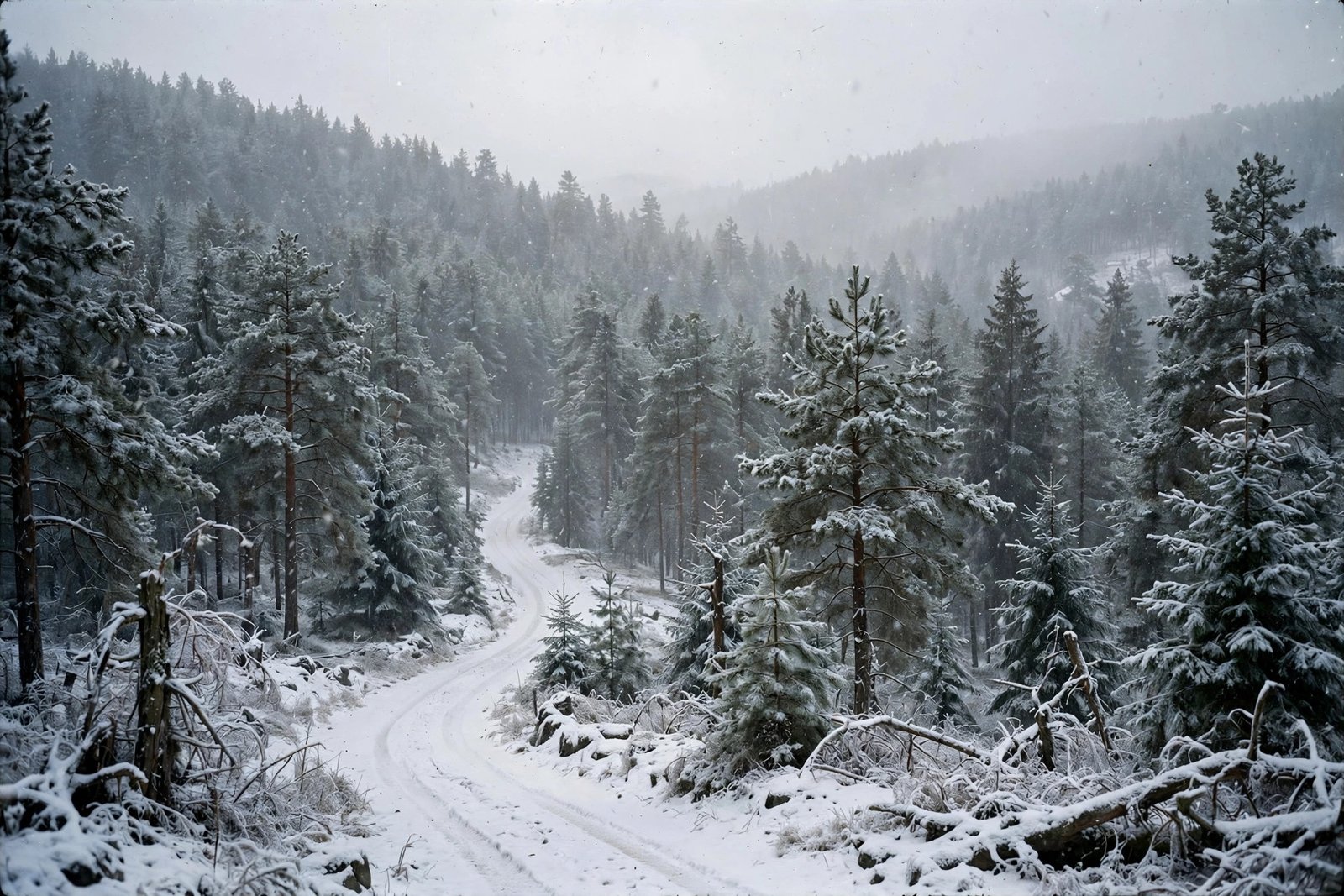
On a freezing December morning in 1944, American soldiers woke up in the forests of the Ardennes to the sound of artillery they never expected to hear. The war in Europe was supposed to be winding down, yet in a matter of hours they found themselves facing the last great German offensive of World War II. The battle of the bulge true stories that came out of those weeks are not just tales of combat; they are stories of ordinary young men holding the line in snow, fog, and bitter cold when everything around them seemed to be falling apart.
These stories matter because they remind us that history is not only made by generals and maps. It is made by teenagers in foxholes, medics working without supplies, tank crews fighting in the dark, and paratroopers who refused to surrender a surrounded town. This article brings together the real history of the battle and the human experiences that define it.
What Was the Battle of the Bulge?
The Battle of the Bulge began on December 16, 1944, when German forces launched a surprise attack through the densely forested Ardennes region of Belgium, Luxembourg, and France. The offensive, known to the Germans as Operation Wacht am Rhein, aimed to split the Allied armies, capture the port city of Antwerp, and force a negotiated peace on the Western Front.
The Allies had considered the Ardennes a quiet sector, and many of the American divisions stationed there were either resting after heavy fighting or newly arrived and untested. That made the surprise even more devastating. German troops, supported by tanks and artillery, pushed forward through fog and snow that grounded Allied aircraft for days. The bulge in the Allied line created by this advance gave the battle its famous name.
At its height, the fighting involved hundreds of thousands of American troops, and the battle lasted until late January 1945. It became the largest and bloodiest battle fought by the United States in World War II, with tens of thousands of American casualties. Yet the German offensive ultimately failed. American resistance at key road junctions, the arrival of reinforcements, and the return of clear flying weather turned the tide.
Battle of the Bulge True Stories From the Front Lines
Some of the most powerful battle of the bulge true stories come from the first days of the attack, when small American units found themselves in the path of a much larger force. The 99th Infantry Division, positioned near Elsenborn Ridge, held its ground against repeated German assaults despite being outnumbered. Their stand protected a vital road network and bought precious time for reinforcements to arrive.
Nearby, the 106th Infantry Division faced a different fate. Two of its regiments were surrounded in the Schnee Eifel region and, after days of hard fighting with dwindling ammunition, were forced to surrender. It was one of the largest surrenders of American troops in the European war, and the men who were captured faced months of harsh imprisonment. Their story is a reminder that courage does not always end in victory, and that prisoners of war endured their own long battle for survival.
Other accounts come from the 28th Infantry Division, which had already fought hard in earlier campaigns and was resting in the Ardennes when the attack began. Its soldiers fought delaying actions village by village, slowing the German advance even as they were pushed back. Medics treated the wounded in cellars and barns, often under fire, and drivers risked their lives running supplies along roads that were under constant threat.
- Infantrymen held ridges and crossroads against tanks, often with little more than rifles, bazookas, and artillery support.
- Combat engineers blew bridges and laid mines to slow the German advance through narrow forest roads.
- Artillery crews fired around the clock, sometimes at targets they could barely see through the fog.
- Signal soldiers kept telephone lines working so that scattered units could still call for help.
The Stand at Bastogne
No town is more closely tied to the Battle of the Bulge than Bastogne, Belgium. This small town sat at the junction of seven roads, making it a prize the Germans desperately needed. When German forces surrounded it, the American defenders, including the 101st Airborne Division rushed in from rest camps, found themselves cut off and short of supplies.
On December 22, 1944, the Germans sent a demand for surrender. The American commander, Brigadier General Anthony McAuliffe, replied with a single famous word: “NUTS!” The message confused the German messengers at first, but its meaning was clear. The Americans were not giving up. The reply became one of the most famous moments of the war and a symbol of American determination.
For days, the defenders of Bastogne endured artillery bombardments, cold, and shortages of food and ammunition. Supplies were eventually dropped by air when the weather cleared, and on December 26, tanks of General George Patton’s Third Army broke through to the town. The siege was over, but the fighting in the region continued for weeks.
If you enjoy reading about American courage in World War II, you may also like D-Day true stories of US soldiers and the Medal of Honor stories featured on this site.
Battle of the Bulge True Stories of Survival and Sacrifice
Beyond the famous battles, many battle of the bulge true stories are quieter tales of endurance. Temperatures dropped well below freezing, and soldiers without proper winter clothing suffered frostbite and trench foot. Foxholes filled with snow and water. Hot food rarely reached the front, and many men survived on cold rations for days.
The war also showed its darkest side during the battle. On December 17, 1944, near the town of Malmedy, members of a German SS unit killed dozens of captured American prisoners of war. The Malmedy Massacre shocked the Allied forces and strengthened American resolve. Survivors who escaped brought word of the killings, and the event remains a solemn reminder of the laws of war and the cost of violating them.
Other stories speak of kindness in the middle of horror. Belgian civilians shared what little food they had with American soldiers and hid wounded men from patrols. Chaplains moved between foxholes offering comfort regardless of a soldier’s faith. Tank crews pulled wounded infantrymen from burning vehicles. These moments did not change the course of the battle, but they reveal the character of the people who fought it.
The Turning Point and the Counterattack
The turning point of the battle came when the weather finally cleared in late December. Allied aircraft returned to the skies, attacking German supply columns and tanks that had been hidden by fog. At the same time, Patton’s Third Army turned north in a remarkable maneuver and pushed toward Bastogne, while other American forces held firm in the north around Elsenborn and St. Vith.
By January 1945, the German offensive had run out of fuel, supplies, and momentum. American forces began a slow counterattack through the same snowy forests, retaking lost ground village by village. The fighting was still brutal, with German defenders making strong stands in towns and along ridges, but the outcome was no longer in doubt. By January 25, 1945, the bulge had been erased, and the Allied line was restored.
The cost was enormous. American casualties in the battle are commonly estimated at around 75,000 or more, including killed, wounded, and missing. German losses were also heavy, and the offensive consumed reserves and equipment that Germany could not replace. Within months, Allied forces crossed the Rhine and advanced into Germany itself.
Why These Stories Still Matter Today
Today, visitors can walk the battlefields of the Ardennes, visit memorials in Bastogne, and pay respects at the Luxembourg American Cemetery, where many of the fallen are buried. Museums preserve uniforms, vehicles, and letters that bring the battle to life for new generations. Veterans’ oral histories, recorded in the decades after the war, remain the most powerful way to understand what those winter weeks were really like.
The lessons of the Bulge are not only military. They are about resilience under pressure, leadership in confusion, and the willingness of ordinary people to stand firm when retreat would have been easier. Soldiers who were cold, hungry, and outnumbered still held roads, towns, and ridges because they knew others depended on them. That spirit is worth remembering, especially as the generation that fought the battle passes into history.
When we read these accounts, we should also remember the Belgian and Luxembourg civilians who lived through the fighting, lost their homes, and helped the soldiers who defended them. Their stories are part of the battle too, and they remind us that war touches entire communities, not only armies.
Conclusion: Remembering the Men of the Bulge
The battle of the bulge true stories shared here capture only a small part of what happened in the Ardennes in the winter of 1944 and 1945. Behind every ridge, crossroads, and frozen forest was a young American far from home, doing his duty in conditions most of us can barely imagine. Their courage helped decide the outcome of the war in Europe, and their sacrifice deserves to be remembered.
Take time to explore more American history on this site, share this article with someone who loves learning about World War II, and if you ever visit Belgium or Luxembourg, walk the quiet forests and towns where these stories happened. Standing where history took place is the best way to honor the men who lived it.