
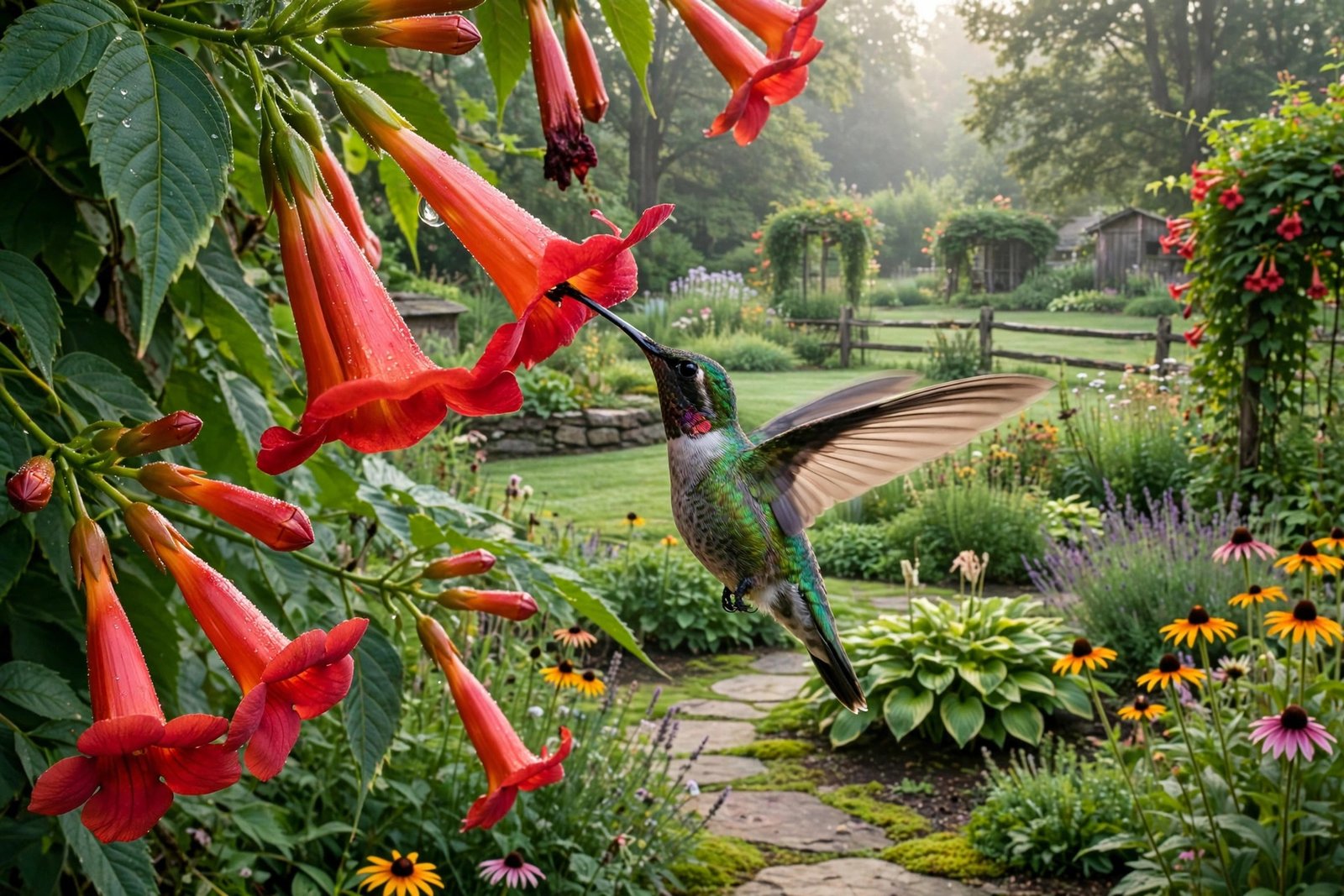
If you are wondering where to see hummingbirds in USA, the good news is that you do not have to travel far to find them. These tiny, glittering birds visit backyards, mountain trails, desert canyons, and coastal gardens across the country, and with a little timing and patience, you can watch them hover, dart, and feed just a few feet away. This guide covers the best regions, the best seasons, and the best tips for finding hummingbirds in the wild.
Hummingbirds are among the most beloved birds in North America. They beat their wings dozens of times per second, hover in midair like tiny helicopters, and flash iridescent colors that change with the light. More than a dozen species occur regularly in the United States, and each region has its own stars. Whether you live on the East Coast, in the desert Southwest, or high in the Rockies, there is a hummingbird season waiting for you.
Where to See Hummingbirds in USA: The Best Regions at a Glance
Before you plan a trip, it helps to know the big picture. Hummingbird diversity is highest in the Southwest, especially southeastern Arizona, where many species gather in summer. The East is dominated by one famous species, the ruby-throated hummingbird, which breeds across the eastern United States and southeastern Canada. The West Coast has year-round residents, and the Rocky Mountains host brilliant summer visitors. Here is how the regions compare:
- Southeast Arizona: the top hotspot, with the greatest variety of species in the United States.
- Texas: excellent in spring and fall migration, plus rare visitors in the Lower Rio Grande Valley and Davis Mountains.
- California and the Pacific Coast: Anna’s hummingbirds live here year-round, with more species arriving in spring and summer.
- Rocky Mountains: broad-tailed and calliope hummingbirds brighten mountain meadows in summer.
- Eastern United States: ruby-throated hummingbirds rule, visiting gardens and feeders from spring through early fall.
No matter where you start, the basics are the same: look for flowers, listen for their high-pitched chatter and buzzing wings, and be patient. Hummingbirds often return to the same feeding spots again and again, so once you find one, you can usually watch it for a long time.
Southeastern Arizona: America’s Hummingbird Capital
If you want to see the most hummingbird species in one trip, head to southeastern Arizona. Canyons like Ramsey Canyon, Madera Canyon, and the Patagonia area are famous among birdwatchers for a reason: in summer, they host a dazzling mix of species, including broad-billed, black-chinned, Anna’s, Costa’s, and rufous hummingbirds, along with rarer visitors that stray north from Mexico in some years.
Many lodges and nature preserves in the area maintain feeders and gardens, which makes viewing easy even for beginners. You can sit quietly on a shaded patio and watch a dozen birds at once, flashing green, blue, violet, and copper in the sunlight. The best time to visit is generally late spring through early fall, when breeding birds and migrants overlap and activity is at its peak.
Arizona’s canyons are also beautiful in their own right, with sycamore-shaded streams, oak woodlands, and mountain views. Bring water, sun protection, and binoculars, and plan to arrive early in the morning when birds are most active. If you love chasing colorful wildlife, also check out our guides on where to see monarch butterflies in the USA and where to see fireflies in the USA for more seasonal spectacles.
Texas, California, and the Pacific Coast
Texas is another top destination for hummingbird lovers. The Davis Mountains and Big Bend region attract western species, while the Lower Rio Grande Valley is famous for rare visitors from Mexico. In central Texas, the Hill Country fills with black-chinned and ruby-throated hummingbirds in spring and summer, and many parks and ranches welcome birdwatchers during migration.
On the Pacific Coast, the story is different and just as exciting. Anna’s hummingbirds live year-round along the California coast and in parts of Oregon and Washington, so you can see them even in winter. In spring and summer, they are joined by Allen’s hummingbirds along the coast and rufous hummingbirds passing through on one of the longest migrations of any small bird. Coastal gardens, parks, and botanical gardens are all excellent places to look.
Allen’s hummingbirds are especially fun to watch because the males perform dramatic dive displays, pulling up at the last second with a sharp sound. If you hear a loud chirp above a coastal garden in spring, look up: you may be watching a display flight. For general identification help, the Cornell Lab’s guide to the ruby-throated hummingbird is a great starting point, and the Audubon field guide covers more species in detail.
The Rockies and the Eastern United States
In the Rocky Mountains, summer brings broad-tailed hummingbirds to mountain meadows and aspen groves, where their wings make a distinctive trilling sound in flight. Calliope hummingbirds, the smallest birds in North America, also breed in the Rockies and the Pacific Northwest. Look for them around wildflower meadows and mountain streams from late spring through summer, and listen for their high, thin calls.
In the East, the ruby-throated hummingbird is the star of the show. Males flash a brilliant ruby-red throat, while females are green above and pale below. They breed across the eastern United States, visit feeders and flower gardens all summer, and then migrate south in fall, with many crossing the Gulf of Mexico on their journey. If you live east of the Great Plains, a feeder in your yard in summer will very likely attract them.
Do not overlook parks and nature centers near you. Many eastern state parks, botanical gardens, and wildlife refuges plant hummingbird gardens and host viewing events during migration. You do not need a famous hotspot to enjoy these birds: a patch of bee balm, cardinal flower, or trumpet vine in a local garden can be just as rewarding. For more wildlife watching ideas, see our guide on where to see foxes in the USA.
Where to See Hummingbirds in USA by Season
Timing matters more than location for hummingbirds, because most species migrate. Use this seasonal guide to plan your outings:
- Spring (March to May): migration north begins. Southern states see the first arrivals, followed by the East and West Coasts. This is a great time for Texas, Arizona, and the Gulf Coast.
- Summer (June to August): breeding season. Birds are everywhere in their breeding ranges, from eastern gardens to Rocky Mountain meadows and Arizona canyons.
- Fall (August to October): southbound migration peaks. Feeders get busy as birds fuel up for their journey, and rare western species sometimes appear in the East.
- Winter (November to February): most hummingbirds have left, but Anna’s hummingbirds remain on the Pacific Coast, and a few hardy or lost birds winter along the Gulf Coast and in the Southeast.
A good rule of thumb: put feeders out a week or two before you expect the first migrants in your area, and keep them up for a couple of weeks after you see your last bird in fall. That way, late migrants passing through will find food when they need it most.
Tips for Spotting Hummingbirds in the Wild
Seeing hummingbirds is easy. Seeing them well takes a few simple tricks:
- Plant native flowers. Trumpet honeysuckle, bee balm, cardinal flower, salvia, and penstemon are hummingbird favorites. Choose native plants for your region when you can.
- Use a simple feeder. Fill it with plain sugar water made from one part white sugar to four parts water. Do not use honey, artificial sweeteners, or red dye, and change the nectar every few days in hot weather.
- Go early and stay still. Hummingbirds are most active in the morning and late afternoon. Sit quietly near flowers or feeders, and let the birds come to you.
- Listen as well as look. Their wings hum, their calls are high and squeaky, and some males make sharp sounds during display dives. Sound often gives them away before you see them.
- Bring binoculars. Even a small pair helps you see throat colors and markings that are invisible to the naked eye at a distance.
- Be patient and ethical. Never chase or disturb nesting birds, and keep feeders clean so birds stay healthy. Enjoy watching from a respectful distance.
Photography tip: if you want photos, use a fast shutter speed, shoot in bright light, and focus on a flower or feeder the birds visit often. You will miss plenty of shots, but the ones you get will be worth it.
Planning Your Trip: Where to See Hummingbirds in USA Near You
You do not need a cross-country trip to enjoy hummingbirds. If you are still deciding where to see hummingbirds in USA on your next weekend outing, start close to home: check your state park system, local botanical gardens, and nearby wildlife refuges for hummingbird gardens and summer viewing programs. Many of these places plant native flowers specifically for pollinators, and their staff can tell you which species have been spotted recently and which trails are best in the morning.
For a bigger adventure, build your trip around one of the famous hotspots in this guide and add a second stop nearby. Pair southeastern Arizona with a visit to the Chiricahua Mountains, combine a Texas Hill Country trip with a stop in the Davis Mountains, or plan a Rocky Mountain wildflower hike around peak bloom. Wherever you go, check recent bird sightings online before you leave, pack binoculars and water, and give yourself at least one unhurried morning in the field. The best hummingbird encounters usually happen when you slow down, sit still, and let these remarkable little birds come to you.
Conclusion: Start Watching This Week
Now that you know where to see hummingbirds in USA, the next step is simple: step outside. Hang a feeder, plant a few native flowers, or visit a nearby park or canyon this weekend. Whether you spot a ruby-throated hummingbird in your backyard or a dozen species in an Arizona canyon, you are in for one of nature’s best shows. Share your sightings with friends, keep your feeders clean, and come back to Beauty of USA for more wildlife guides all year long.