
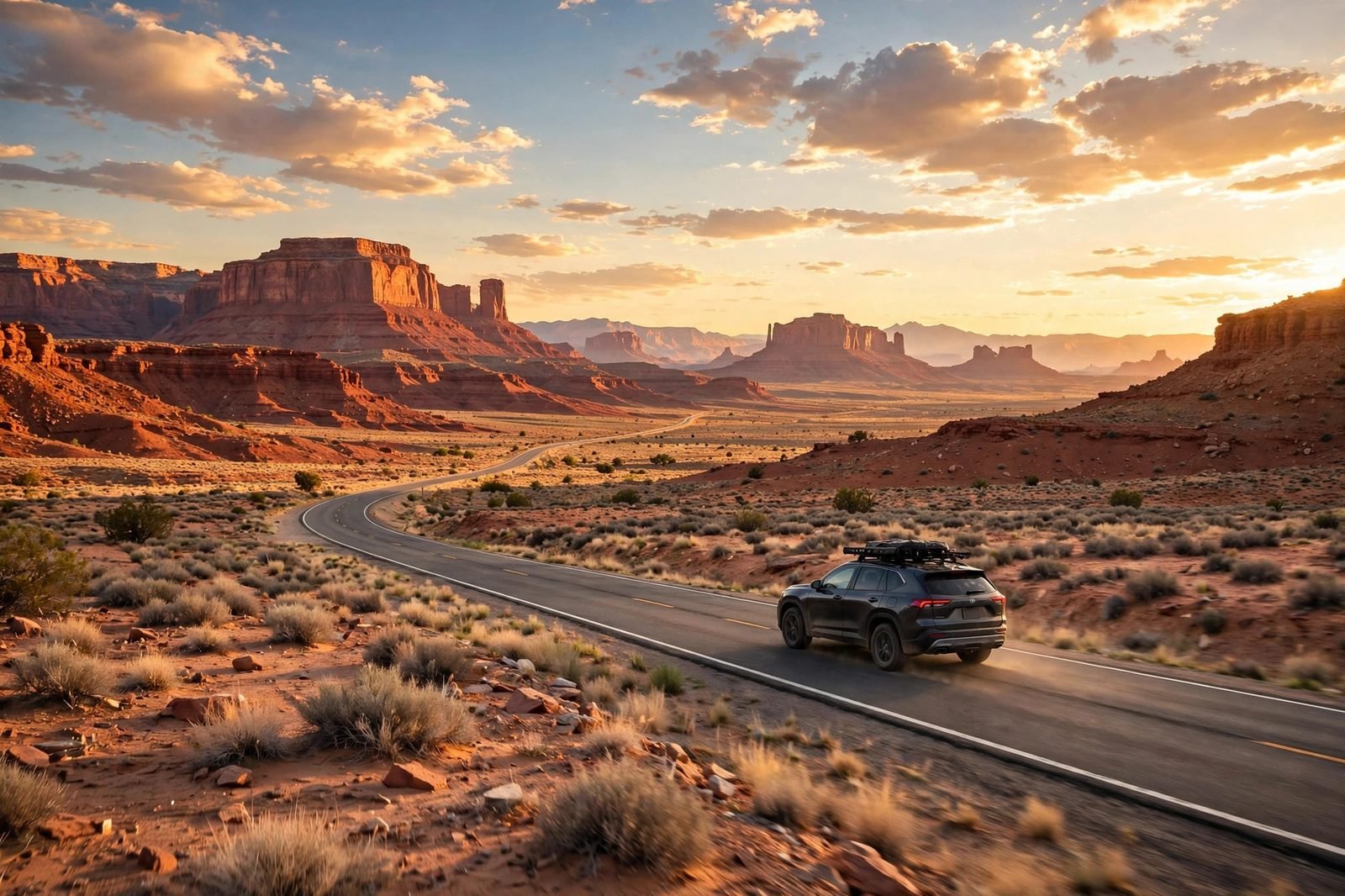
There is a particular kind of freedom that only exists on an American highway: the tank is full, the playlist is ready, the next small town is an hour away, and the best view of the day might be around a bend you did not plan. This American road trip bucket list is for travelers who want more than a quick weekend drive. It is a collection of the most unforgettable routes, landscapes, and small-town detours across the United States, from cliff-hugging coastal highways to desert roads that seem to run to the edge of the world. Whether you have two weeks or two years to explore, these are the drives that deserve a place on your list.
America was made for road trips. The interstate highway system connects big cities, but the real magic lives on the two-lane highways, the scenic byways, and the historic routes that wind through mountains, prairies, forests, and coastlines. A road trip lets you set your own pace, change plans on a whim, and discover places no flight would ever show you. You can eat pie in a diner that has served the same recipe for fifty years, watch the sunset from a mountain pass, and wake up in a town you had never heard of the night before. That sense of discovery is why so many travelers keep a running list of drives they dream about. If you love classic Americana, start with our Route 66 road trip guide before you plan the rest.
How to Build Your American Road Trip Bucket List
A great bucket list is personal. It should mix famous routes with quiet surprises, and it should fit the way you actually like to travel. Start by thinking about the landscapes you love most. If you crave ocean views, lean toward coastal highways. If you love mountains, focus on high passes and national parks. If history fascinates you, choose routes that pass through old towns, battlefields, and landmarks. The best lists balance all three, so every trip feels different from the last one.
Next, think about timing. Some roads are best in spring, when wildflowers cover the hillsides and crowds are thin. Others shine in fall, when leaves turn red and gold across New England and the Appalachians. Desert routes are most comfortable in the cooler months, while northern mountain passes may not open until early summer. Summer brings long days and lively small towns, but also peak crowds at the most popular parks. Shoulder seasons, late spring and early fall, often offer the best mix of good weather, open roads, and lighter traffic.
Budget matters too. Road trips can be surprisingly affordable if you plan well. Camping in national forests, cooking some of your own meals, and traveling in the shoulder season can keep costs down. On the other hand, a splurge night in a historic lodge or a lakeside cabin can turn a good trip into an unforgettable one. Many travelers find that mixing budget nights with one or two special stays gives them the best of both worlds. Fuel, lodging, food, and park entrance fees are the main costs to estimate, and a rough daily budget will help you decide how far you can go.
Finally, leave room for spontaneity. The most memorable road trip moments are rarely the ones you scheduled. They are the farmers market you stumbled across, the waterfall a gas station attendant told you about, or the sunset you caught because you decided to take one more detour. Plan your overnight stops and your must-see highlights, but leave a few hours each day unplanned. Your bucket list should be a guide, not a strict schedule. An American road trip bucket list works best when it leaves space for the road itself to surprise you.
American Road Trip Bucket List: The Classic Routes
Some routes are famous for a reason. Route 66, the Mother Road, runs from Chicago to Santa Monica and passes through small towns, neon motels, and wide-open plains. You do not need to drive the entire route to love it. Even a few days on the most scenic stretches, through Arizona and New Mexico, will give you a feel for the history and humor of the old highway. Stop for a photo with a giant roadside statue, eat at a vintage diner, and sleep in a motel that looks like it stepped out of another era.
The Pacific Coast Highway, California State Route 1, is often called one of the most beautiful drives in the world, and it earns the title. From Monterey to Big Sur to Los Angeles, the road clings to cliffs above the Pacific Ocean, with pullouts for sea lions, lighthouses, and beaches. Drive it slowly. The curves demand attention, and the views demand stops. Plan a full day for the stretch through Big Sur alone, and stay overnight in a coastal town so you can watch the fog roll in and out over the water.
Going-to-the-Sun Road in Glacier National Park, Montana, is a mountain drive unlike any other. The road crosses the Continental Divide at Logan Pass, winding past waterfalls, alpine meadows, and glaciers. It is only open in the summer months, and the season can be short, so check conditions before you go. The road is narrow in places, and large vehicles face restrictions, but the payoff is a high-alpine landscape that feels almost untouched. Arrive early in the morning to beat the crowds and catch the light on the peaks.
The Blue Ridge Parkway connects Shenandoah National Park in Virginia to Great Smoky Mountains National Park in North Carolina and Tennessee. At 469 miles, it is a long, gentle drive through the Appalachian Mountains, with overlooks, hiking trails, and mountain towns along the way. Fall is the most popular season, when the forests turn brilliant colors. Spring brings wildflowers and waterfalls. The speed limit is low, and that is the point. This is a road for slowing down, rolling down the windows, and remembering why mountain air smells so good.
The Overseas Highway from Miami to Key West crosses 42 bridges over turquoise water, including the famous Seven Mile Bridge. The drive feels like traveling over the ocean, with water on both sides for much of the way. Stop for fresh seafood, snorkel in clear water, and watch the sunset from the southernmost point of the continental United States. The whole drive is only about 113 miles, but it is worth stretching into two days so you can enjoy the small island towns along the way.
Mountain Highways and National Park Drives
If mountains are your happy place, the American West is full of drives that belong on any list. Trail Ridge Road in Rocky Mountain National Park climbs above 12,000 feet, crossing alpine tundra where elk graze and the air feels thin and clean. The road is usually open from late May through October, depending on snow. Bring layers, because the temperature at the top can be much colder than in the valleys below. Stop at the Alpine Visitor Center, walk a short tundra trail, and look for marmots and pika among the rocks.
In Utah, the scenic byways through red rock country feel like driving across another planet. Highway 12, known as the All-American Road, winds through red canyons, aspen forests, and small towns between Capitol Reef and Bryce Canyon. Nearby, the drive through Monument Valley on the Utah-Arizona border offers one of the most photographed landscapes in the country, with towering sandstone buttes rising from the desert floor. The area is part of the Navajo Nation, and guided tours offer a deeper look at the history and culture of the land.
Yellowstone and Grand Teton National Parks offer a pair of drives that are best done together. The Grand Loop Road in Yellowstone passes geysers, hot springs, waterfalls, and herds of bison. The John D. Rockefeller Jr. Memorial Parkway connects Yellowstone to Grand Teton, where the Teton Range rises sharply above a valley of lakes and meadows. Wildlife is everywhere in this region, so drive slowly, stay in your vehicle near animals, and carry bear spray if you hike. Dawn and dusk are the best times to spot wildlife.
For a different kind of mountain drive, head to Colorado and the Million Dollar Highway between Ouray and Silverton. The road climbs over high passes, hugs steep cliffs, and passes through old mining towns. The scenery is spectacular, and the road demands respect, especially in bad weather. If you prefer something gentler, the Peak to Peak Scenic Byway near Boulder offers mountain views, historic towns, and easy hikes. Both drives show why Colorado is a favorite for road trippers who love high places.
Coastal Drives and Island Escapes
America has more coastline than most travelers realize, and coastal drives offer a completely different kind of road trip. In Maine, the drive along the coast from Portland to Bar Harbor passes fishing villages, lighthouses, and Acadia National Park, where the ocean meets pink granite cliffs. Try fresh lobster in a harborside shack, walk the rocky shore at low tide, and watch the sunrise from Cadillac Mountain, one of the first places in the United States to see the morning light.
In the Pacific Northwest, the Oregon Coast Highway, U.S. 101, runs past sea stacks, sand dunes, and driftwood beaches. The entire Oregon coast is public land, so you can pull over and walk on almost any beach. Stop at Cannon Beach to see Haystack Rock, explore tide pools at low tide, and sample clam chowder in a coastal town. The weather can be misty even in summer, which only adds to the moody beauty of the coast. Bring a rain jacket and enjoy the drama.
The Outer Banks of North Carolina offer a chain of barrier islands connected by bridges and ferries. The drive along NC-12 passes through small villages, past the Wright Brothers National Memorial at Kill Devil Hills, and along the Cape Hatteras National Seashore, where wild horses roam and lighthouses stand watch. The beaches are wide and uncrowded, especially in the shoulder seasons. The Outer Banks feel like a step back in time, a place where fishing and family traditions still shape daily life.
For a tropical escape without leaving the country, the Road to Hana on Maui, Hawaii, is one of the most famous drives in America. The narrow, winding road passes waterfalls, rainforest, black sand beaches, and bamboo groves. It is slow going, with hundreds of curves and dozens of one-lane bridges, so allow a full day. Start early, bring snacks, and respect local residents by driving carefully and staying on marked paths. The destination matters, but so does every waterfall along the way.
Desert Roads and Wide-Open Spaces
Desert drives offer a sense of space that is hard to find anywhere else. The drive through Death Valley National Park in California takes you below sea level to Badwater Basin, the lowest point in North America, and past sand dunes, salt flats, and colorful badlands. Visit in winter or early spring, when temperatures are manageable. Carry extra water, keep your fuel tank topped up, and check road conditions before you set out. The desert is beautiful, but it is also unforgiving.
In Arizona, the drive from Flagstaff to the Grand Canyon is a classic for a reason. The South Rim offers viewpoints, hiking trails, and lodges with canyon views. Arrive for sunrise or sunset, when the canyon walls glow red and orange. If you have more time, drive the Desert View Watchtower road east along the rim, then head toward Monument Valley or Antelope Canyon. The Navajo Nation and Hopi lands in this region hold deep cultural significance, and guided tours are the best way to visit sensitive sites.
The loneliest road in America, U.S. 50 across Nevada, earned its nickname because it crosses long stretches of empty basin and range. That emptiness is exactly the point. The highway passes through old mining towns, past sand dunes and mountain passes, and under some of the darkest night skies in the country. Stop in a small town for a meal, fill up whenever you see a gas station, and take time to look at the stars. In a world that feels crowded and noisy, a road like this can feel like a deep breath.
West Texas offers another desert classic: the drive through Big Bend National Park, where the Rio Grande carves canyons through desert mountains. The park is one of the largest and most remote in the national park system, and it rewards travelers who slow down. Hike a short desert trail, soak in a hot spring by the river, and watch the sunset over the Chisos Mountains. The night skies here are among the darkest in the country, and the park is a certified Dark Sky Park. Your American road trip bucket list should include at least one desert night sky, and Big Bend is a perfect place to find it.
Historic Highways and Small-Town America
Some of the best road trips are less about famous landscapes and more about the towns and stories along the way. The Natchez Trace Parkway runs 444 miles from Nashville, Tennessee, to Natchez, Mississippi, following a historic travel corridor used by Native Americans, settlers, and traders. The parkway is a two-lane road with a low speed limit, no commercial traffic, and dozens of stops for hiking, waterfalls, and historic sites. It is a peaceful, unhurried drive through Southern forests and farmland.
In New England, the Kancamagus Highway in New Hampshire crosses the White Mountains through covered bridges, waterfalls, and some of the best fall foliage in the country. The drive is only about 34 miles, but it is worth a full day of stops. Nearby, the Mohawk Trail in Massachusetts and the scenic routes through Vermont offer small towns, farm stands, and mountain views. Fall is the peak season, but spring and summer bring wildflowers, swimming holes, and quiet roads.
The Lincoln Highway, one of the first transcontinental highways in America, still offers a thread of historic towns across the northern United States. You can follow sections of it through Pennsylvania, Ohio, Iowa, Nebraska, and Wyoming, passing diners, motels, and main streets that have served travelers for a century. The Lincoln Highway is less a single route than a scavenger hunt through American history. Pick a state, follow the signs, and see what you find. For more ideas about classic American gatherings along the way, check out our American tailgating culture guide and our guide to American BBQ regional styles.
Small towns are the heart of any road trip. They are where you find the best pie, the friendliest advice, and the stories you will tell for years. Make a habit of stopping at local diners, farmers markets, and visitor centers. Ask the person behind the counter what they love about their town. You will often get a recommendation that no guidebook could match. The best road trips are not just about seeing places. They are about meeting the people who call those places home.
Planning Tips for an Unforgettable Road Trip
Good planning makes a road trip smoother, but it should never squeeze out the fun. Before you leave, get your vehicle checked: tires, brakes, fluids, lights, and air conditioning. Pack an emergency kit with water, snacks, a flashlight, a first-aid kit, jumper cables, and a phone charger. Download offline maps for areas with weak cell service, especially in the mountains and desert. Share your rough itinerary with someone at home, so they know where to expect you.
Packing for a road trip is a balancing act. Bring layers for changing weather, comfortable walking shoes, sunscreen, a reusable water bottle, and a cooler for drinks and snacks. A good camera or a phone with plenty of storage will help you capture the views. Binoculars are useful in national parks and along the coast. If you plan to camp, book campsites early in peak season, because popular parks fill up months ahead. If you prefer hotels, look for places with good reviews in the towns you want to explore.
Food is part of the adventure. Every region of America has its own specialties, from lobster rolls in Maine to green chile in New Mexico to barbecue in Texas and the Carolinas. Eating local is one of the simplest ways to understand a place. Try at least one dish you have never had before on every trip. Visit a farmers market, buy fresh fruit from a roadside stand, and eat at least one meal in a diner where the menu has not changed in decades. Your taste buds will thank you.
Safety matters on long drives. Take breaks every couple of hours, share driving if you can, and never drive when you are drowsy. Watch for wildlife, especially at dawn and dusk in rural areas. In the desert, carry extra water and fuel. In the mountains, check weather forecasts and be ready for sudden changes. In popular parks, follow posted rules, stay on trails, and keep a safe distance from animals. A careful driver gets to enjoy more trips for many years to come.
Start Your Next Adventure
Every American road trip bucket list needs a first step, and that step is simply choosing a route and setting a date. You do not need to drive every road on this list in one year, or even in one decade. Pick the drive that excites you most, whether it is a coastal highway, a mountain pass, or a desert road under a sky full of stars. Block out the time, book the first night, and let the road do the rest. The highways, small towns, and national parks of this country have been waiting for travelers for generations, and they are ready for you.
When you finish a trip, add to your list. Every drive teaches you something about what you love: maybe you are a mountain person, or a beach person, or a small-town diner person. Let each trip shape the next one. Share your photos, tell your friends, and keep the list growing. The road is long, the country is wide, and the best view is always the one you have not seen yet. Your next great American adventure is out there, waiting at the end of a highway you have not driven yet.
[…] shows how America’s most famous highway connects to the modern interstate network, and our American road trip bucket list is full of routes that mix historic roads with smooth interstate […]